Travel often and want a Georgetown home you can lock, leave, and not worry about? You are not alone. Many buyers eye this historic neighborhood for its walkable charm and waterfront energy, then hesitate over the choice between a condo and a rowhouse. In this guide, you will see how Georgetown’s preservation rules, maintenance realities, services, and resale dynamics affect each option, plus a checklist to help you choose with confidence. Let’s dive in.
Lock-and-leave in a historic district
Georgetown’s historic status shapes what you can change and how quickly you can do it. Most exterior work visible from a public street, alley, or park is reviewed by the Old Georgetown Board and the U.S. Commission of Fine Arts. You can learn how their review process works by reading the District’s overview of the Old Georgetown Board process and the Commission’s Old Georgetown FAQs.
What this means for you: if you buy a rowhouse and plan to modify front windows, rooflines, a stoop, or materials visible from the street, expect design review, detailed drawings, and schedule lead time. In a condo, the HOA usually handles exterior and common areas, so the board and its management team carry that review burden for the building.
Condos: turn-key convenience
What the HOA handles
In a condo, the association typically maintains the exterior, roof, building systems, and common areas. Owners handle the interior of their unit. For many lock-and-leave buyers, that division of labor is a major win because day-to-day upkeep and emergency response are centralized. Review how fees and services work in DC by reading this overview of condo fees and coverage.
Services and security
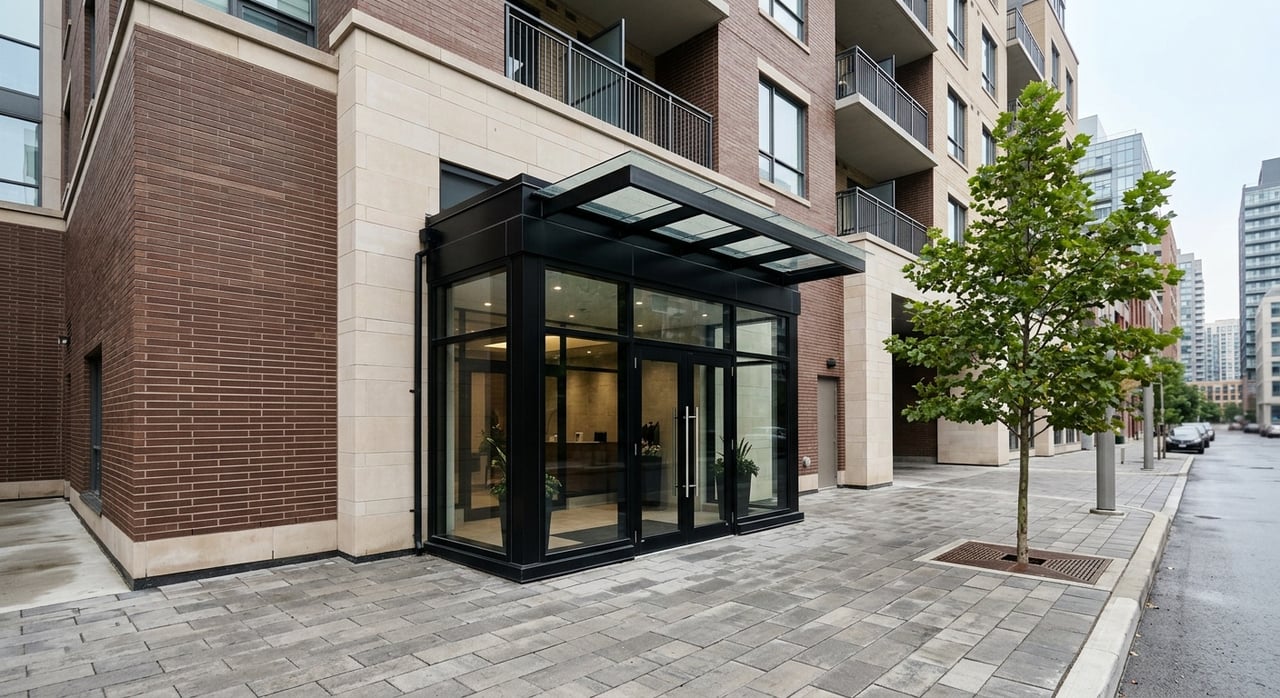
Full-service buildings often offer secure access, concierge or front desk coverage, package handling, and on-site or on-call management. These features reduce friction when you travel and help with vendor coordination while you are away. Fees are higher in service-rich buildings, so weigh the monthly cost against the time and peace of mind you gain.
Financial health and your protections
DC’s Condominium Act gives you time to review resale documents before you commit. Use that window to check the budget, reserve study, meeting minutes, and any litigation. You can read the statute’s definitions and framework in the District’s Condominium Act. Healthy reserves and clear plans for big items like roofs or elevators are essential for lock-and-leave ease.
Financing and warrantability
A building’s project status affects your loan options and resale. Lenders and investors look for adequate reserves, owner-occupancy, and the absence of adverse litigation. If a project is non-warrantable, conventional financing can be harder to secure, which may narrow your future buyer pool. See how lenders view project eligibility in Freddie Mac’s condo project guidance.
Short-term rental limits
If part of your plan is to rent the unit occasionally, know DC’s rules. Short-term or vacation rentals require a DC license, must be your primary residence, and host-not-present rentals are capped at 90 nights per year. Many associations impose additional restrictions. Review the District’s short-term rental licensing rules and confirm your building’s bylaws before counting on rental income.
Rowhouses: independence with preservation obligations
Full control, more responsibility
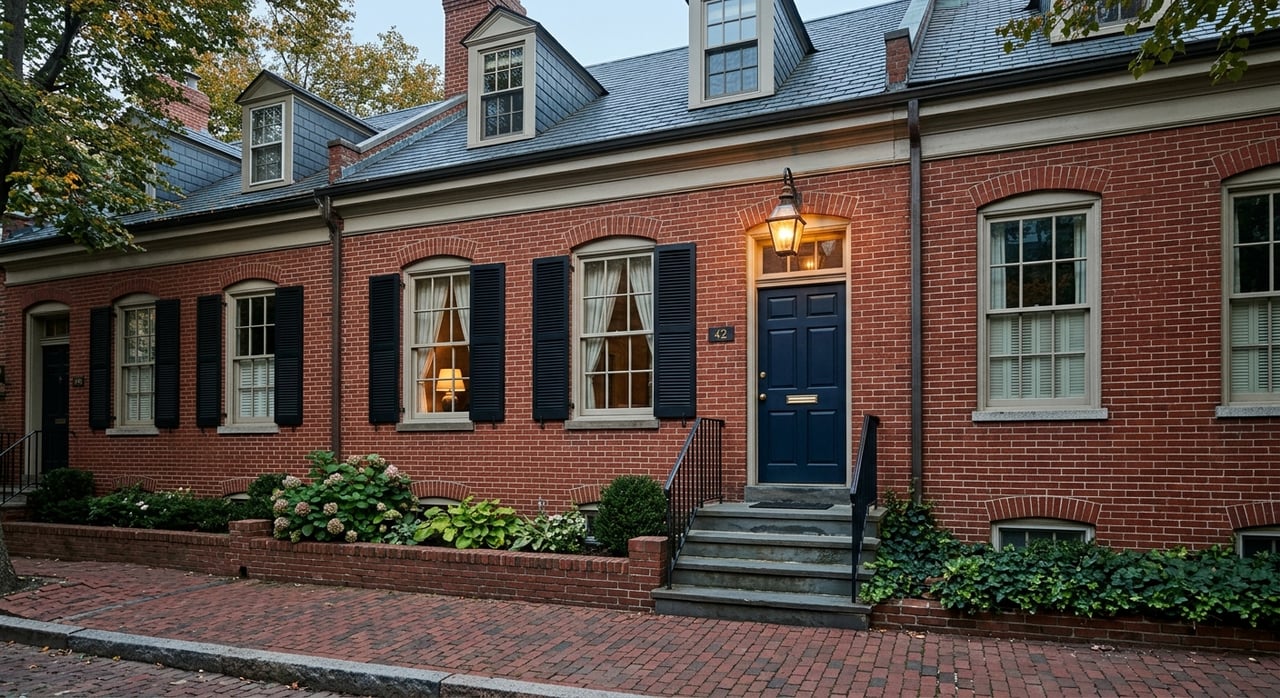
Owning a Georgetown rowhouse gives you privacy, character, and control. It also puts exterior, structural, and system maintenance squarely on you. In older homes, that often includes masonry repointing, wood window repair, slate or metal flashing, and careful moisture management. The National Park Service offers best-practice guidance on historic materials and methods in its Preservation Briefs.
Historic review and approvals
If a repair or change is visible from a public way, it likely needs review and approval before work begins. Window replacements, masonry changes, and front roof work are common examples. Start by confirming the property sits within the Georgetown Historic District and understand the steps in the Old Georgetown Board process. The Commission of Fine Arts shares additional background in its district FAQs.
Budgeting for upkeep
Older or historic homes can require a larger annual maintenance contingency. A common planning rule of thumb is to set aside 1 to 3 percent of property value annually, and expect periodic capital projects like repointing or window restoration. These are indicative figures only. For your short list, obtain contractor estimates. For context on cost drivers, see this historic home renovation cost overview.
Parking and visitor logistics
Street parking in Georgetown is tight. Confirm whether the property has off-street parking or is eligible for a Residential Parking Permit, and review visitor options through ParkDC resources. Parking convenience can be a meaningful part of the lock-and-leave equation.
Resale and liquidity: what to expect
Well-located Georgetown rowhouses are scarce and often desirable for buyers who value the intact historic streetscape. That supports long-term value, but condition and price point can lengthen time on market. Condos resell fastest when the association is financially sound, amenities fit current buyer demand, and the project is warrantable. If you plan to sell in a few years, those factors matter as much as finishes.
Which fits your profile?
- Downsizers who want the simplest setup: a full-service condo with proven management, healthy reserves, and on-site support often delivers the easiest lock-and-leave life.
- Pied-à-terre buyers and international clients: condos typically simplify remote management. Confirm short-term rental licensing rules and your building’s policy before assuming rental flexibility.
- Buyers who prize historic character and privacy: a rowhouse can be ideal if you budget for preservation-grade maintenance and line up a local property manager for check-ins while you travel.
Buyer due-diligence checklist
If you are buying a condo
- Review the HOA budget, audited financials, reserve study, and upcoming capital projects. Understand which services and utilities your fee covers. Start with this overview of what DC condo fees often include.
- Read board meeting minutes and any disclosures about disputes or litigation. Look for a history of special assessments and the plan for reserves.
- Confirm rental policies and whether the association will provide the required attestation for any short-term rental application. See DC’s short-term rental licensing rules.
- Ask lenders about the building’s project eligibility. Learn the basics in Freddie Mac’s condo project guidance.
- Verify management structure and emergency response. Who answers the phone when you are abroad, and how are vendors dispatched?
If you are buying a rowhouse
- Confirm the property’s location within the Georgetown Historic District and which reviews apply for exterior work visible from public space. Start with the District’s page on the Old Georgetown Board and the CFA’s OGB FAQs.
- Order a condition survey from contractors experienced with historic masonry, windows, roofs, and moisture. Use the NPS Preservation Briefs as a technical baseline.
- Map out a multi-year capital plan and set a maintenance reserve. For planning context, review this historic renovation cost guide.
- Verify parking realities and visitor options through ParkDC resources.
For both property types
- Set up remote-ready systems: monitored alarms, water sensors at sinks and the water heater, and a smart thermostat.
- Establish a clear emergency plan: a building manager or local property manager, plus a vetted vendor list for seasonal checks and urgent repairs.
- Keep a simple home manual that lists shutoff valves, alarm contacts, and appliance warranties for anyone assisting while you are away.
Make lock-and-leave work for you
If your priority is minimal effort and maximum peace of mind, a well-managed, full-service condo usually wins. If you want the privacy and character of a Georgetown rowhouse, you can still enjoy lock-and-leave living by planning for preservation-grade work, a local manager, and smart monitoring. Either path can be excellent when you align the property, rules, and support system with how you travel.
When you are ready to compare specific buildings or blocks, schedule a conversation with a team that knows both the luxury condo market and Georgetown’s historic homes. Book a Private Consultation with The Alliance Group to map your options, weigh fees versus maintenance, and choose the right lock-and-leave base in DC.
FAQs
What approvals do I need to change a Georgetown rowhouse exterior?
- Most work visible from a public street, alley, or park is reviewed by the Old Georgetown Board and the U.S. Commission of Fine Arts, with additional local review as needed. See the District’s OGB process and the CFA’s Old Georgetown FAQs.
Can I short-term rent a Georgetown condo or rowhouse I do not live in full time?
- DC requires a Short-Term or Vacation Rental license tied to your primary residence. Host-not-present rentals are capped at 90 nights per year, and your HOA may add restrictions. Review the District’s rules.
What do Georgetown condo fees usually cover for lock-and-leave living?
- Coverage varies by building but often includes building insurance, reserves, common-area upkeep, and sometimes utilities, concierge, and on-site management. Learn more about DC condo fees.
Why does condo “warrantability” matter when I buy or sell?
- Lenders assess a condo project’s financials, reserves, owner-occupancy, and litigation. Non-warrantable projects can limit loan options and narrow your resale buyer pool. See Freddie Mac’s guidance.
How much should I budget annually to maintain a historic Georgetown rowhouse?
- A common planning range is 1 to 3 percent of property value per year, plus periodic capital projects like repointing or window restoration. For context on costs, see this historic renovation guide, and follow NPS Preservation Briefs.
How does parking work if I own a Georgetown rowhouse?
- Many streets require Residential Parking Permits, and off-street parking is limited. Confirm property-specific parking and review visitor options via ParkDC resources.