Stand on the roof of almost any building in downtown Washington after sunset and the sky glows a dull orange, the collective wash of a few million streetlights, headlights, and office towers that never quite go dark. Drive twenty-some minutes out Georgetown Pike, past the horse fences and the tree lines that swallow driveways whole, and something changes. At a quiet county park on Springvale Road, the sky does what it used to do before anyone built a city here at all.
That's not a mood. It's now an official designation. In January 2026, DarkSky International certified Observatory Park at Turner Farm as an Urban Night Sky Place, one of only a handful of sites this close to a major metropolitan area to earn the distinction. According to DarkSky's own listing for the park, Great Falls remains the darkest spot within a 30-mile radius of Washington, D.C. If you've lived here for any length of time, you already suspected as much. What's worth understanding is why that's true, because the answer has less to do with luck and more to do with decisions this community has been making for years, mostly for other reasons entirely.
A County Park Built on an Old GPS Site
The observatory sits at 925 Springvale Road on land that has an odd history for a place now devoted to looking at the sky. The site previously housed a U.S. Army Map Service and Defense Mapping Agency facility, the kind of installation that contributed to the early development of the Global Positioning System. For decades, this parcel existed to help satellites triangulate positions on Earth. Now it exists to let people see past the satellites entirely.
The Roll-Top Observatory opened to the public in 2016 and is run through a partnership between the Fairfax County Park Authority and the Analemma Society, a nonprofit focused on astronomy education. Since it opened, nearly 23,000 visitors have come through for public programs, classes, and viewing nights, a number the county highlighted when announcing the certification. There are no walk-in hours. Every program, from a Friday night sky tour to a weekday solar viewing session, requires advance registration, and the observatory zone itself stays closed outside of scheduled events.
DarkSky's program manager framed the certification in a statement that's worth repeating in full because it says plainly what residents here have felt without a formal name for it:
"Earning Urban Night Sky Place certification so close to Washington, DC, reflects the outstanding commitment of local advocates."
The Half-Mile Rule Most Residents Never Voted On Directly
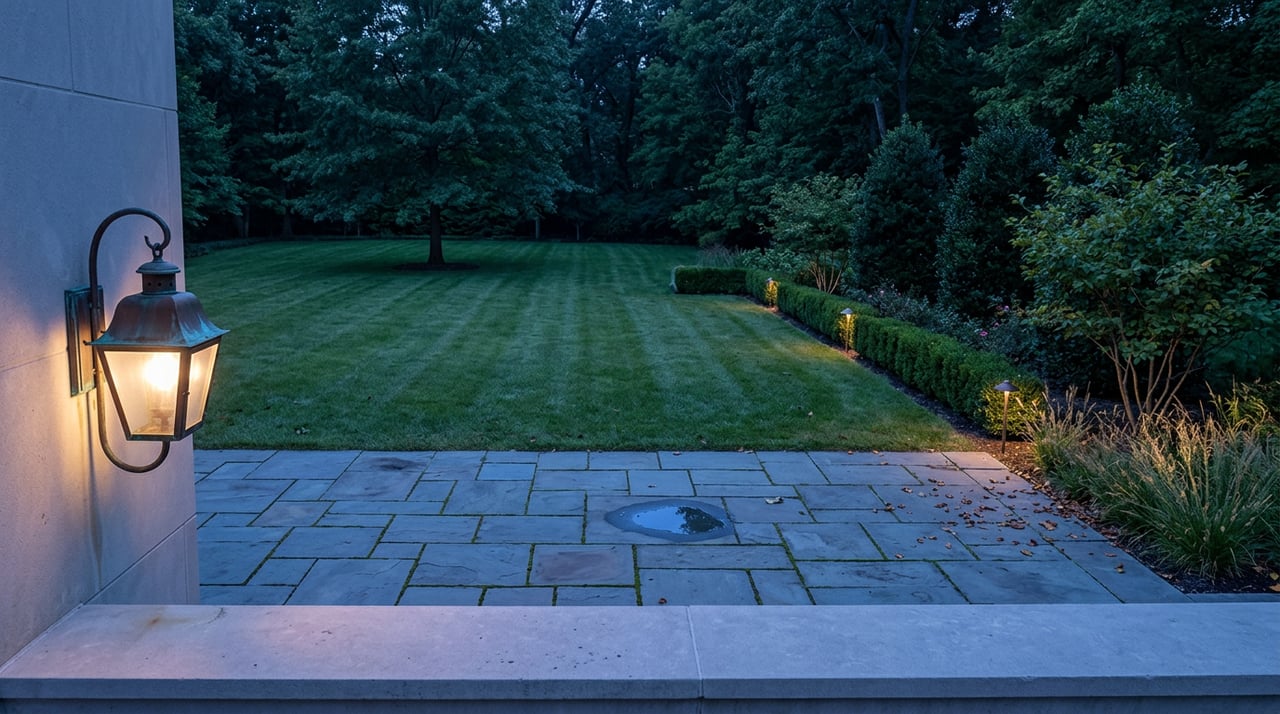
Certifications like this don't happen by accident. In November 2023, the Fairfax County Board of Supervisors approved a specialized lighting ordinance that restricts outdoor lighting within a half-mile radius of the observatory. County crews retrofitted park lighting with DarkSky-compliant fixtures using 2700K bulbs, the warmer, less sky-scattering light temperature that astronomers prefer over the harsher blue-white LEDs that have replaced streetlights in a lot of the region over the past decade.
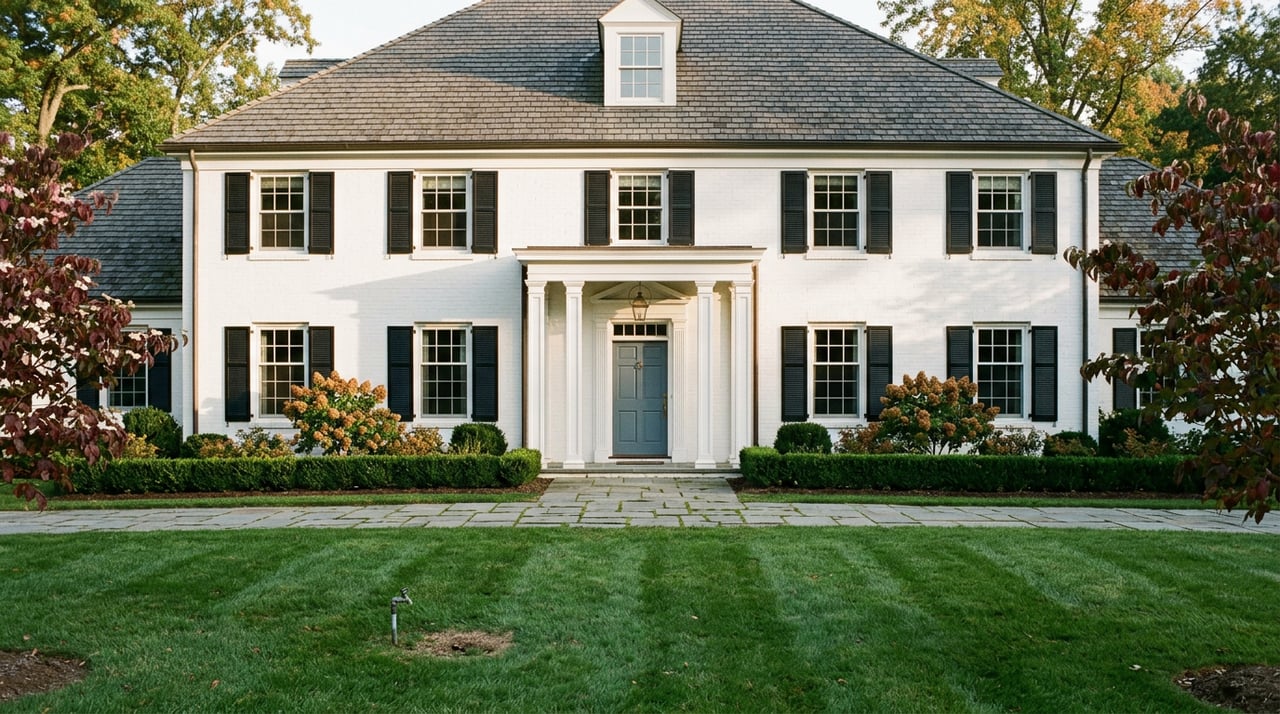
That ordinance only works because of what surrounds it. A half-mile buffer around a single park is a modest ask in a place with strip malls and streetlights every hundred feet. It's a realistic ask in Great Falls, where large lots, long setbacks, and the absence of dense commercial lighting were already the norm before anyone connected them to astronomy.
What "Dark Sky Friendly" Already Meant Here
This is the part that changes how you read the news, not just what you know about it. The Great Falls Citizens Association, in its own land use committee materials, has described the goal of the community's zoning approach as maintaining a "dark sky friendly" character alongside its low density and tree canopy. That phrase predates the DarkSky certification. The GFCA's land use committee has spent time on questions about septic capacity, stormwater runoff into Resource Protection Areas, and traffic on the area's historic roads, arguing that Great Falls was intentionally zoned as a low-density, semi-rural community and that the character depends on keeping it that way.
None of those debates were about astronomy. They were about groundwater absorption and school capacity and the width of country roads. But the same policy choices that keep Great Falls looking the way it looks in daylight, wide lots, mature trees, no metro stop pulling density into a single intersection, are exactly what kept the sky dark enough at night for an international nonprofit to notice. The observatory didn't create the darkness. It measured something the neighborhood had already been protecting for other reasons and gave it a name.
How to Actually Get In
The practical side of visiting is straightforward but has real rules that catch first-timers off guard.
- Every program requires registration in advance through the Fairfax County Park Authority. There's no dropping by to look through a telescope on a whim.
- A Night Viewing Permit, purchased separately, allows stargazers and night photographers to stay in the designated parking lot after normal park hours. It's required for every visitor 18 and older, it's issued per person rather than per vehicle, and it's valid through December 31 of the year you buy it. It gets you into the parking lot, not the observatory building itself.
- Dogs are welcome on the grounds in the observatory zone under normal Fairfax County leash rules, but they're not allowed inside the Roll-Top building.
- During evening programs, visitors are asked to use red-light flashlights or the red-light setting on their phones. It preserves night vision for everyone else and keeps from disturbing the nocturnal wildlife that shares the property.
- When weather forces a change of plans for larger events, the county has used Colvin Run Mill Education Center on Colvin Run Road as the backup indoor location, as it did for the January designation celebration.
The playground and picnic pavilion near the parking lot, donated in part by the Great Falls Lions Club, stay open during regular daylight hours for anyone who wants to use the park without booking an evening slot.
What's Actually on the Calendar
The Park Authority runs a rotating set of programs through the Roll-Top Observatory rather than a single fixed schedule, so it's worth knowing the names to watch for when you check the county's listings:
- Night Sky Tour at the Roll-Top Observatory — a guided look at planets, constellations, and deep-sky objects, open to ages 8 and up, held rain or clear skies with an indoor discussion substituting for telescope viewing when weather doesn't cooperate.
- Planet Adventure Night — a family-friendly session for ages 6 and up that pairs a classroom discussion with actual telescope time, weather permitting.
- The Sun: Our Neighborhood Star — a daytime solar viewing program using solar telescopes, for ages 8 and up.
- Exploring the Inner Planets — a closer look at Mercury, Venus, Earth, and Mars using the observatory's equipment.
Public viewing nights also happen on Friday evenings when weather allows, separate from the ticketed classes. Given how far in advance the county's better-known sessions tend to fill, checking the Fairfax County Park Authority's Turner Farm events page before you plan a weekend is worth the two minutes it takes.
The Part Worth Sitting With
It's easy to treat a dark sky certification as a nice-to-have, the kind of honor that looks good in a county press release and changes nothing about daily life. But this one is different because it's not describing something new. It's confirming something residents already valued and, in a lot of cases, already fought for in zoning meetings that had nothing to do with astronomy. The next time a conversation in Great Falls turns to lot sizes or tree canopy or why the community has resisted the kind of density that showed up in neighboring areas, there's now an international body that measured the actual, physical result of those choices and put a name on it.
If you're weighing what that kind of neighborhood character is worth, whether you're already living under those dark skies or thinking about what a move into or out of Great Falls would mean for the kind of evenings you get to have, The Alliance Group spends its days in exactly this kind of detail. Book a private consultation when you're ready to talk through what a specific property, and a specific patch of sky above it, is actually worth to you.