Selling a historic home in Georgetown is not the same as selling a typical property anywhere else in DC. You are balancing architecture, documentation, presentation, and pricing in one of the country’s most closely watched historic districts. If you want a smoother sale and a stronger market position, it helps to know what buyers will notice and what questions they are likely to ask. Let’s dive in.
Why Georgetown Is Different
Georgetown has a formal preservation framework that sets it apart from most other neighborhoods. It was created as a historic district in 1950, making it the first historic district in Washington and the sixth in the United States. It is also listed in the DC Inventory of Historic Sites, the National Register, and designated as a National Historic Landmark.
That status affects how exterior work is reviewed. Under the Old Georgetown Act, the US Commission of Fine Arts, through the Old Georgetown Board, reviews most exterior construction in the neighborhood. In practical terms, that means visible exterior changes often receive the most scrutiny when you prepare your home for sale.
Focus on Visible Exterior Changes
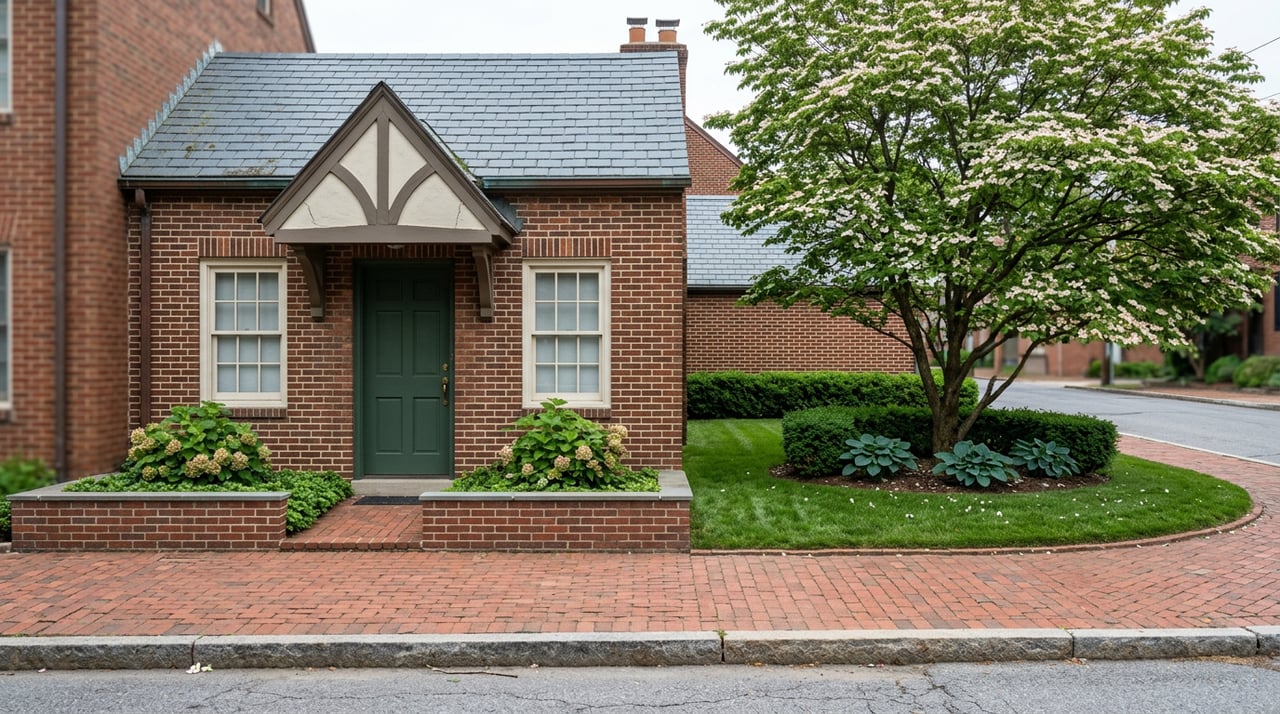
If you have updated your home over the years, start by looking at anything buyers can see from public space. Georgetown standards say review may address exterior architectural features, height, appearance, color, and the texture of exterior materials. Those details matter because they shape both compliance and buyer confidence.
Work that is less visible usually follows a simpler path. According to DC guidance, minor work not visible from public space is often reviewed by the Historic Preservation Office rather than the more intensive review route. Examples can include roof replacements not visible from the ground, rear alterations not visible from an alley, masonry repointing, and compatible fence repairs.
Review Your Records Before Listing
One of the smartest steps you can take before going live is a pre-listing file review. Historic Preservation Office compliance priorities specifically flag unpermitted removal or replacement of original windows or doors on primary elevations. They also highlight nonreversible alterations to original features or finishes, along with major changes to character-defining elements like cornices, porches, stairs, and distinctive detailing.
For you as a seller, that means documentation matters almost as much as condition. If past exterior work was approved, gather those permits and records before your home hits the market. Clear paperwork can help reduce buyer hesitation and make it easier to answer questions quickly.
Know Which Updates Are Safer
If you are thinking about light pre-sale improvements, a careful approach usually works best. The safest updates are often reversible, in-kind, or low-visibility repairs. Interior work that does not affect structural integrity is generally treated as a lower-concern category in the compliance framework.
Some items, such as storm windows, storm doors, window screens, gutters, downspouts, and security bars, are listed by DC as work that does not require a permit or inspection. Still, if a change affects the home’s exterior appearance, it is wise to check Georgetown’s review rules before moving forward. A quick decision now can help you avoid a larger issue later.
Build Extra Time Into Your Prep Plan
Timing is important if you want to refresh your home before listing. DC says qualifying minor work that is complete and consistent with standards can often receive same-day clearance through the Historic Preservation Office. Major work reviewed through the broader preservation process can take 30 to 60 days or longer.
That difference can shape your listing calendar. If you are targeting a specific market window, it is important to decide early which repairs are essential and which are better left as buyer choices. In Georgetown, rushed exterior changes can create more friction than value.
Stage for Space and Authenticity
Historic homes often have a different interior flow than newer construction. Rooms can feel more defined, storage may be tighter, and furniture scale matters more than many sellers expect. That is one reason staging can be especially helpful in Georgetown.
The National Association of Realtors’ 2025 Profile of Home Staging found that 83 percent of buyers’ agents said staging made it easier for a buyer to visualize a property as a future home. Another 60 percent said it affected some buyers, though not always. The most commonly staged rooms were the living room, primary bedroom, and dining room.
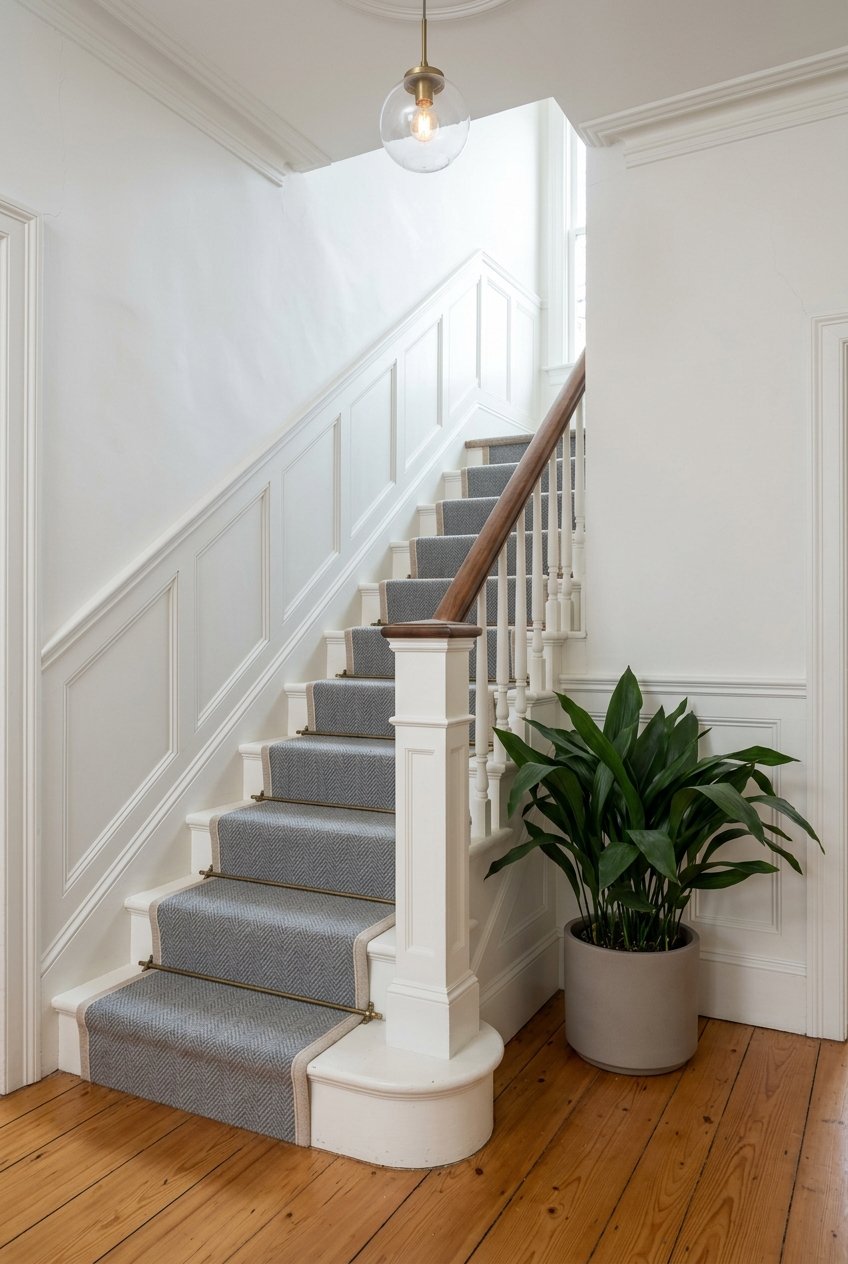
For your home, the goal is not to erase character. It is to help buyers see how historic charm and everyday living can work together. In many Georgetown homes, that means simplifying each room so original details stand out while the space still feels functional and comfortable.
Simple Staging Moves That Help
- Remove bulky furniture that makes rooms feel tight
- Keep closets from looking overfilled
- Reduce personal items so buyers focus on the home
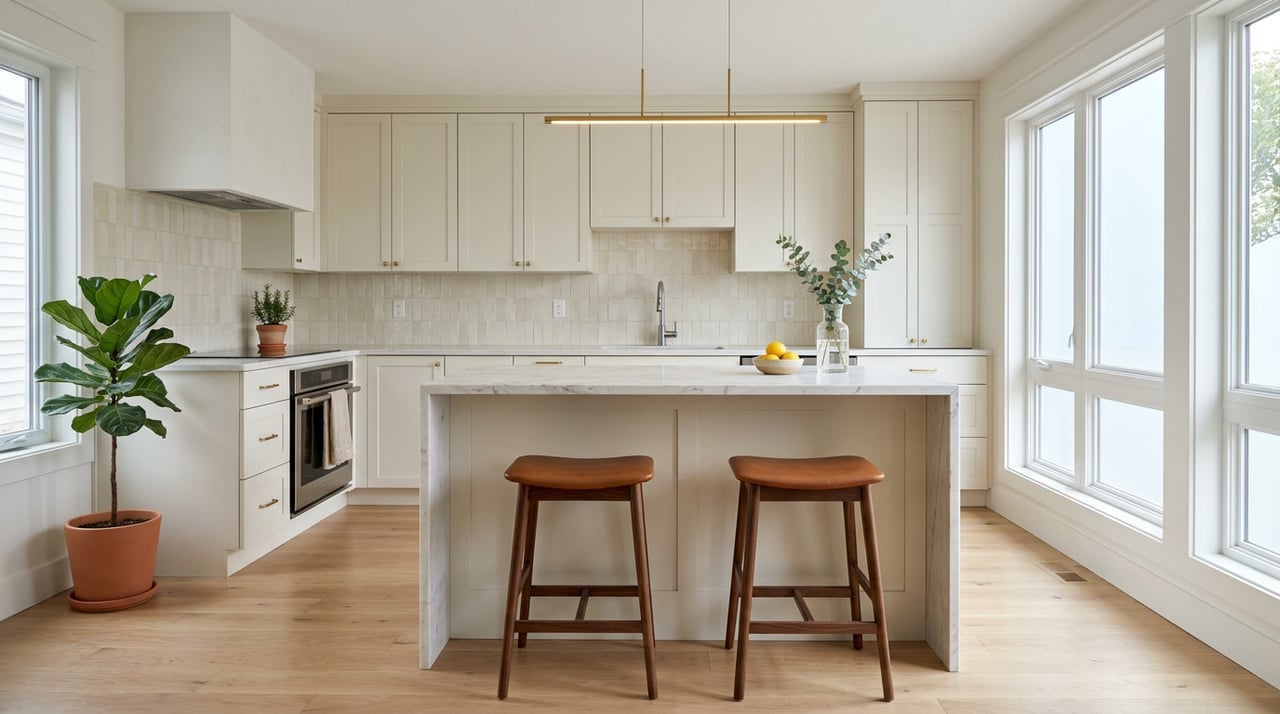
- Use neutral colors where needed to brighten and calm a space
- Highlight key rooms like the living room, primary bedroom, and dining room
NAR’s consumer guidance also notes that more than a quarter of real estate professionals reported staging resulted in 1 percent to 10 percent more in the offered price. About half of seller’s agents also reported shorter time on market. While every sale is different, polished presentation can strengthen both first impressions and perceived value.
Make Online Presentation Count
Your first showing often happens online. That matters even more in a neighborhood like Georgetown, where out-of-area buyers may be comparing several properties before they ever visit in person. Strong photography should help buyers understand the home’s authenticity, scale, and livability.
One in three buyers’ agents said clients were more likely to schedule a showing after seeing a staged home online. In practice, that means your photos should avoid visual clutter and show how the home actually lives. Clean styling, thoughtful lighting, and a clear sense of room-to-room flow can make a meaningful difference.
Price With Precision, Not Assumptions
Georgetown sits in a different pricing lane than the broader DC market. For the three months ending May 2026, Redfin reported a median sale price of about $1.52 million in Georgetown, compared with about $695,000 across the broader Washington market. Median days on market were 41 in Georgetown versus 49 across the broader market.
Those numbers support a more tailored strategy. A generic pricing approach can miss the nuances that drive buyer response in a historic district. Buyers in Georgetown are often weighing architecture, condition, preservation stewardship, and location together, so pricing should reflect the full story of the property rather than square footage alone.
Market the Story of Stewardship
In Georgetown, history is not just background. It is part of the value proposition. Because the district is one of the nation’s earliest designated historic districts and a National Historic Landmark, buyers often respond to homes that show authenticity and responsible care.
That does not mean your marketing should feel academic or overly technical. It means your listing should clearly explain what has been preserved, what has been updated, and whether visible exterior work followed the proper Georgetown review path. This helps buyers understand the home and can reduce uncertainty, especially for those unfamiliar with the area.
Details Buyers Want to Understand
- Which original architectural features remain in place
- What updates have been made over time
- Whether visible exterior work was properly reviewed
- What maintenance or repairs were completed recently
- How the home balances historic character with day-to-day usability
What the Strongest Seller Strategy Looks Like
In many Georgetown sales, the most effective approach is straightforward. Preserve visible character, document compliance, and present the interior in a clean, spacious, move-in-ready way. That combination helps buyers appreciate both the emotional appeal and the practical side of ownership.
If you are preparing to sell, it also helps to work with a team that understands how to position a distinctive property for a discerning audience. A historic Georgetown home deserves more than a standard listing plan. It deserves thoughtful preparation, polished marketing, and careful guidance from start to finish.
If you are considering your next move, The Alliance Group offers high-touch guidance, meticulous marketing, and tailored support to help you sell with clarity and confidence.
FAQs
What should you check before selling a historic home in Georgetown?
- Review records for past exterior work, confirm whether approvals were obtained, and gather permits or documentation for buyers.
What kinds of home updates get the most scrutiny in Georgetown?
- Visible exterior changes usually receive the most scrutiny, especially changes to windows, doors, cornices, porches, stairs, and other character-defining features.
How long can historic review take before listing a Georgetown home?
- Qualifying minor work may receive same-day clearance, while major work can take 30 to 60 days or longer.
How should you stage a historic Georgetown home for sale?
- Focus on a clean, neutral presentation with less bulky furniture, lighter visual clutter, and clear emphasis on livability and preserved details.
Why does documentation matter when selling a Georgetown historic property?
- Documentation helps buyers understand what was updated, what was preserved, and whether visible exterior work followed Georgetown’s required review process.