Looking for a neighborhood where you can walk to dinner, enjoy historic streetscapes, and still stay well connected across the DC area? Alexandria offers several strong options, but each one delivers that lifestyle a little differently. If you are trying to decide where walkable, historic living fits your priorities, this guide will help you compare the areas that stand out most. Let’s dive in.
Why Alexandria Appeals to Walkability Lovers
Alexandria’s historic identity is not just a marketing phrase. The city describes Old Town as its historic urban core and notes that it has served as Northern Virginia’s urban center since 1749. That long history still shapes how the streets, blocks, buildings, and public spaces feel when you move through them on foot.
In the most established areas, walkability comes from the street pattern as much as the destinations. Old Town was laid out as a grid of streets and rectangular blocks, and King Street was built to function as a people-oriented corridor. Brick sidewalks, storefronts, street trees, and a continuous streetwall all help create an environment that feels made for walking.
Old Town: Alexandria’s Historic Center
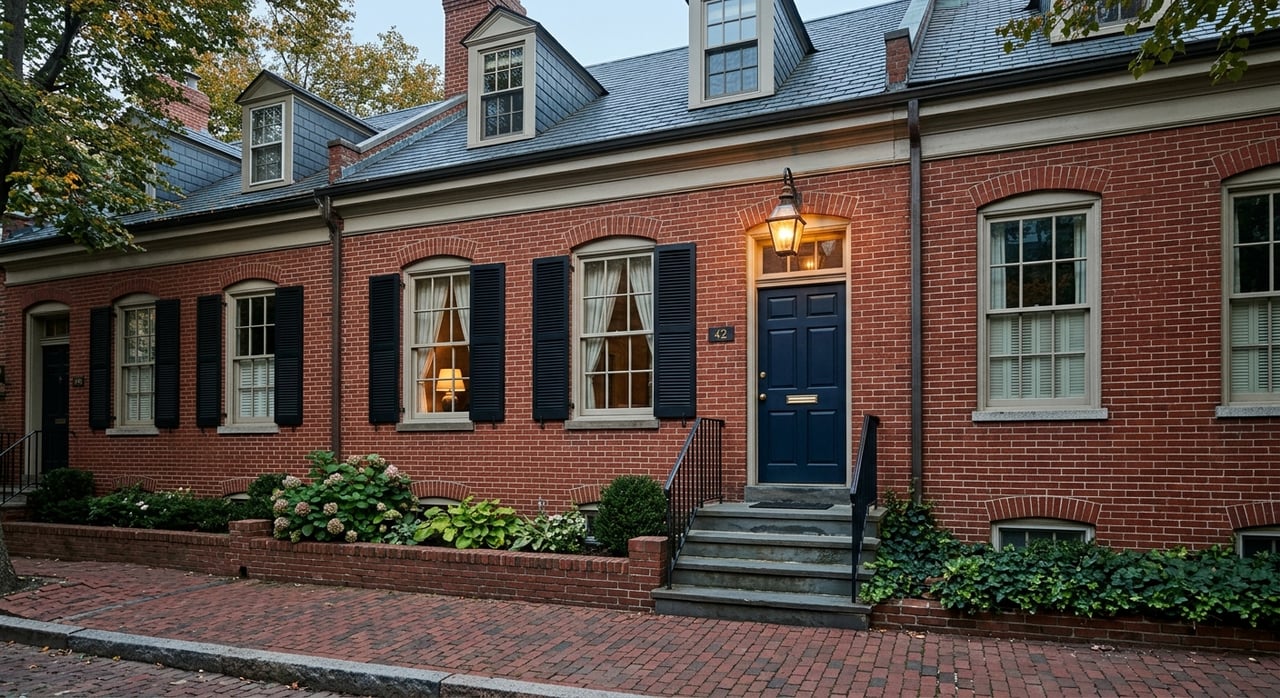
If your picture of Alexandria includes cobblestone-adjacent charm, classic architecture, and easy access to shops and restaurants, Old Town is likely the first place to explore. It is the city’s best-known historic district and the strongest match for buyers who want a true urban village feel. You can move from residential blocks to retail, dining, parks, and the waterfront without relying heavily on a car.
King Street is the heart of that experience. Visit Alexandria describes it as a mile of centuries-old architecture with more than 200 independent restaurants and shops. For many buyers, that kind of daily convenience is what turns historic character into a practical lifestyle choice.
The waterfront adds another layer. The city describes the waterfront as 23 acres of parks, trails, dining, historic sites, and marina space. You also have access to water taxi and sightseeing boat service from the marina to Georgetown, Mount Vernon, and the National Harbor area, which gives Old Town a mobility option that feels both useful and uniquely local.
What living in Old Town feels like
Old Town tends to appeal to buyers who want to be in the middle of things. You may value being able to step outside for coffee, dinner, errands, or a walk along the water. You may also appreciate living in a neighborhood where the architecture and street grid create a sense of continuity that newer areas often cannot replicate.
That said, historic appeal comes with tradeoffs. Alexandria says the Old & Historic District is one of the country’s oldest historic districts, and exterior changes visible from a public way typically require review by the Board of Architectural Review. If you are considering renovations, especially on a historic attached home, it is wise to factor in more review and a longer planning timeline.
Parker-Gray: Historic Character Next to Old Town
If you want proximity to Old Town with a distinct historic identity of its own, Parker-Gray deserves close attention. The city says the Parker-Gray Historic District covers a 40-block area in Old Town’s northwest quadrant. It is also closely tied to Alexandria’s African American history through the Parker-Gray School, which opened in 1920.
For buyers, Parker-Gray can offer a compelling middle ground. You stay close to Old Town’s restaurants, shops, and transit connections while living in an area with its own historic context and housing character. Like Old Town, it is also regulated through Alexandria’s preservation framework, so exterior projects may involve added review.
Who may like Parker-Gray most
Parker-Gray may be a good fit if you want a historic setting and a close-in location, but you also want to look beyond the most visible Old Town blocks. Housing form matters here, especially if you are comparing attached homes, renovation expectations, and maintenance needs. In many cases, the practical cost differences come less from the neighborhood name and more from the type of property you buy.
Old Town North: Walkable With a Mixed-Use Future
Old Town North gives you a different version of walkable Alexandria living. Rather than centering purely on colonial-era ambiance, this area is shaped by a city plan that prioritizes a balanced mix of uses, retail, arts and cultural uses, and housing options across income levels. The city also established an Arts and Cultural District there.
This is important if you want walkability plus a more evolving, mixed-use environment. The National Park Service notes that redevelopment of the former power plant site is intended to improve access and the visitor experience along the George Washington Memorial Parkway, the Mount Vernon Trail, and the Potomac River waterfront. In everyday terms, that points to stronger connections between neighborhood living, outdoor space, and the waterfront edge.
Why buyers consider Old Town North
Old Town North may appeal to you if you want to stay near historic Alexandria while also being in an area shaped by ongoing planning and public-space improvements. It can suit buyers who prioritize access, mixed-use convenience, and a more contemporary neighborhood trajectory. If you like the idea of a walkable setting without needing every block to feel fully historic in the Old Town sense, this area is worth a closer look.
Del Ray: Main Street Energy and Historic Roots
Del Ray offers one of Alexandria’s most approachable walkable lifestyles, but the feel is different from Old Town. The city says Del Ray grew around the railroad and can be considered one of the area’s first commuting suburbs. Its gridded layout and local commercial spine still support that easy, neighborhood-based rhythm today.
The center of activity is Mount Vernon Avenue. Visit Alexandria describes it as walkable and notes murals, outdoor drink spots, and al fresco festivals, while the city’s business area plan says the corridor is intended for small-scale, pedestrian-oriented retail and service uses. That makes Del Ray especially attractive if you want a main street experience with a more residential, less formal historic atmosphere.
What stands out in Del Ray
Del Ray often feels casual, connected, and easy to navigate. You can enjoy local businesses and pedestrian-friendly blocks while still benefiting from a neighborhood with documented historic development patterns. The city has also researched 15 Art Deco and Streamline Moderne buildings there, which adds another layer of architectural interest.
For some buyers, Del Ray hits a sweet spot. It offers walkability and character, but in a way that can feel more relaxed and neighborhood-centered than the waterfront core of Old Town.
Rosemont: Early-20th-Century Character Near Transit
Rosemont gives you a different expression of historic Alexandria living. The city says it emerged as a streetcar suburb in the late 1890s, with most houses built between 1908 and 1930. Housing styles range from smaller Craftsman bungalows to larger Arts and Crafts and Colonial Revival homes.
If you want historic character but prefer detached homes and a more residential setting, Rosemont is often one of the most appealing options. The city notes that the original street layout remains intact, which helps explain why the neighborhood still feels cohesive. That consistency can be especially attractive if you value architectural character and a quieter street experience without giving up access to the city.
Why Rosemont is different
Compared with Old Town and Parker-Gray, Rosemont tends to shift the conversation toward home style and lot pattern. You may have more interest in bungalows, detached houses, and early suburban planning than in attached rowhouses near a retail core. If that sounds like you, Rosemont can be a strong fit for walkable historic living with a distinctly residential feel.
Transit and Commuting in Walkable Alexandria
Walkability often matters most when it pairs well with transportation. Alexandria performs well here, especially around Old Town and nearby neighborhoods. WMATA says King St-Old Town is on the Yellow and Blue lines and connects to DASH, Metrobus, and a free daily trolley that runs every 15 minutes between the Metro station and City Hall and Market Square, with stops every two to three blocks.
King St-Old Town also sits across from Alexandria Station, which serves Amtrak and Virginia Railway Express. That can be especially helpful if your commute or travel patterns extend beyond Metro. VRE lists Alexandria Station at 110 Callahan Drive, giving the area another layer of regional connectivity.
Braddock Road and Potomac Yard expand the map further. WMATA says both stations are on the Blue and Yellow lines, and Potomac Yard adds access to DASH, a Bike & Ride facility, and walking paths. For buyers who need to connect to the broader close-in employment corridor, Potomac Yard is the Alexandria-side station to keep in mind.
How to Compare These Neighborhoods
If you are choosing among Alexandria neighborhoods for walkable, historic living, start with lifestyle rather than just architecture. Ask yourself where you want your daily life to happen. Do you want a waterfront stroll, a classic shopping street, a neighborhood main street, or a quieter residential block with historic homes?
It also helps to think about housing form. According to the research, Old Town and Parker-Gray tend to skew toward historic attached homes with stronger preservation review. Rosemont offers more early-20th-century detached homes and bungalows, Del Ray pairs walkable retail with gridded residential blocks, and Old Town North is planned for a balanced mix of uses and housing.
A simple way to compare your options is to focus on these questions:
- Do you want the strongest historic district identity?
- Do you prefer attached or detached housing?
- How important is preservation flexibility for future exterior changes?
- Do you want waterfront access, a main street corridor, or a quieter residential setting?
- How much does Metro, rail, or trolley access shape your decision?
The Bottom Line on Walkable Historic Living
Alexandria does not offer just one version of walkable, historic living. Old Town delivers the classic experience with the strongest concentration of historic fabric, shopping, dining, and waterfront access. Parker-Gray adds important historic context next door, Old Town North offers a more mixed-use path forward, Del Ray brings neighborhood main street energy, and Rosemont stands out for early-20th-century residential character.
The right fit depends on how you want to live day to day, not just which neighborhood photographs best. If you want help narrowing your choices, comparing property types, or planning a move within Alexandria or from outside the DC area, The Alliance Group can help you evaluate the options with a clear, tailored strategy.
FAQs
What is the most walkable historic neighborhood in Alexandria, VA?
- Old Town is the city’s most concentrated blend of historic fabric, pedestrian-oriented streets, shops, restaurants, and waterfront access.
What should buyers know about historic district rules in Alexandria?
- In Old Town and Parker-Gray, exterior changes visible from a public way may require review and approval through Alexandria’s Board of Architectural Review.
How is Del Ray different from Old Town in Alexandria?
- Del Ray offers a walkable main street environment centered on Mount Vernon Avenue, while Old Town is Alexandria’s historic urban core with a stronger waterfront and colonial-era identity.
What kind of homes are common in Rosemont, Alexandria?
- Rosemont is known for early-20th-century homes, including Craftsman bungalows, Arts and Crafts houses, and Colonial Revival houses.
Which Alexandria neighborhoods offer strong transit access?
- Old Town benefits from King St-Old Town Metro, DASH, Metrobus, a free trolley, Amtrak, and VRE, while Braddock Road and Potomac Yard add more Blue and Yellow line access.
Is Old Town North a good option for walkable living in Alexandria?
- Old Town North is worth considering if you want a walkable area near historic Alexandria with mixed-use planning, arts and cultural investment, and improving waterfront and trail access.