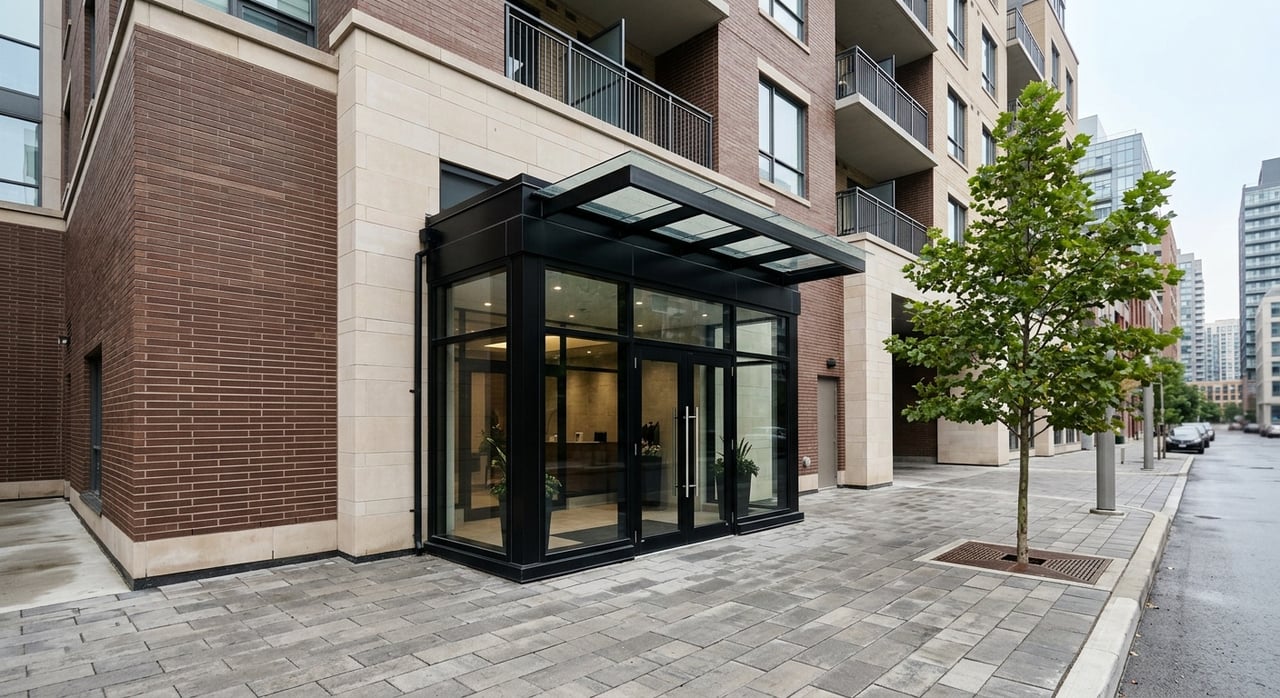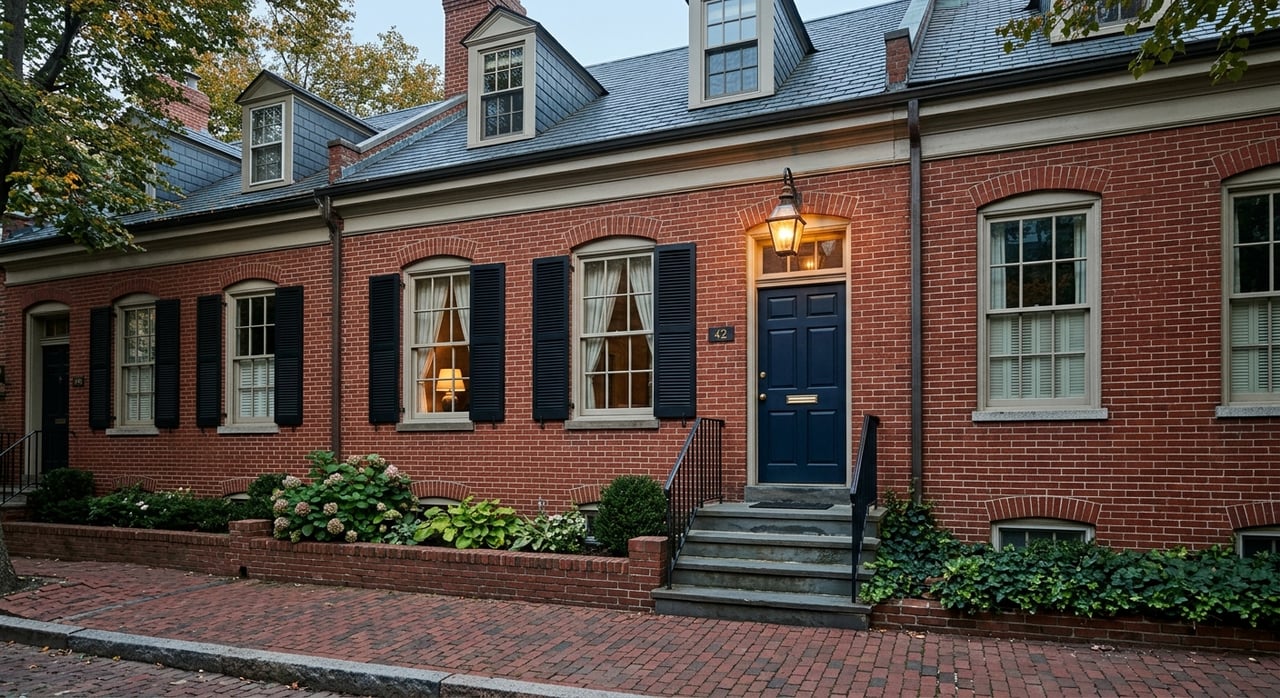
Looking for a condo in Foggy Bottom near GWU? You are not alone. This pocket of Northwest DC draws buyers who want a central address, strong transit access, and easy reach to major employers, cultural landmarks, and the George Washington University campus. If you are weighing whether Foggy Bottom fits your lifestyle and budget, this guide will help you understand the building types, price ranges, monthly costs, and key questions to ask before you buy. Let’s dive in.
Why Foggy Bottom Stands Out
Foggy Bottom offers something that is hard to replicate in Washington: a true downtown setting with a residential component. George Washington University describes its Foggy Bottom campus as integrated into downtown DC and close to Dupont Circle, Georgetown, the National Mall, the White House, the Kennedy Center, and major federal and international institutions.
For many buyers, that location is the headline. The Foggy Bottom/GWU Metro stop serves the Orange, Blue, and Silver lines, and it sits right on campus. GW also notes access to Reagan National, Dulles, BWI, and Union Station, which can make this area especially appealing if you travel often or are relocating to DC.
What Condo Buyers Can Expect
Foggy Bottom does not offer one single condo style. The neighborhood includes historic residential and commercial buildings, institutional buildings connected to GW’s growth, and mid-century to late-20th-century residential towers. That means your options may range from smaller, simpler buildings near campus to larger full-service properties closer to the river.
This variety is one of the neighborhood’s strengths, but it also means you need to compare buildings carefully. Two condos with similar square footage can feel very different depending on the building’s age, services, rules, and monthly fees.
Full-Service Buildings
Some of the best-known buildings in Foggy Bottom are full-service complexes with strong amenity packages. The Watergate Complex, for example, is documented by DC as a modernist redevelopment project along the Potomac with shared garages, shops, and river views. Watergate East describes itself as a full-service building with a 24-hour fitness center.
In these buildings, you may be paying as much for service, history, and location as for interior finishes. Since many of these properties were completed between 1964 and 1971, buyers should expect that finishes can vary widely from unit to unit depending on renovation history.
Mid-Size Buildings Near GWU
Closer to campus, you will also find buildings with a more modest amenity profile. Monroe House, located across from GW, highlights a rooftop deck, community laundry, and parking availability. A recent listing there noted a monthly condo fee of $585 that covered air conditioning, heat, electricity, gas, and water/sewer.
Jefferson House is another example of a service-oriented building in the neighborhood. Recent listing information describes 24-hour front desk or concierge service, an outdoor pool, common laundry, and utilities included in the condo fee.
Co-ops and Bundled Costs
Some Foggy Bottom properties are co-ops rather than condos, and that distinction matters. Potomac Plaza Co-op is a good example of a building where the monthly fee can include a wide bundle of costs, such as utilities, insurance, property taxes, reserve funds, concierge service, and other building operations.
For buyers, the lesson is simple: do not compare Foggy Bottom homes by asking price alone. You need to understand the full monthly carrying cost before deciding what is truly affordable.
Foggy Bottom Condo Prices
Current inventory in Foggy Bottom spans a broad range. Based on current listing samples, studios have recently appeared around $198,000 to $240,000. One-bedroom condos have ranged from the low $200,000s to about $499,000, while two-bedroom units have ranged from about $389,000 to roughly $1.05 million. Larger Watergate residences have been listed above $2 million.
These numbers are best used as a snapshot, not a rule. Building type, views, size, updates, and service level all play a role in pricing here.
Redfin’s neighborhood snapshot for Foggy Bottom shows a median condo listing price of $459,000, with a median neighborhood sale price of $405,000 in March 2026 and a median 111 days on market for condos. For buyers, that can suggest a market where careful comparison is possible rather than one where every unit requires an instant decision.
Why Monthly Fees Matter So Much
In Foggy Bottom, monthly fees are often a major part of the ownership equation. Some buildings include multiple utilities. Others add front desk staffing, pools, fitness centers, building insurance, or even property taxes in the case of certain co-ops.
That is why a lower list price does not always mean a lower overall cost. In practice, you should look at your total monthly outlay, including mortgage, condo or co-op fee, taxes if applicable, insurance if applicable, parking charges, and any special assessments or building-related expenses.
What to Compare Building by Building
When you review options, it helps to compare these items side by side:
- Monthly condo or co-op fee
- Utilities included in the fee
- Front desk or concierge hours
- Laundry setup, in-unit or common
- Parking availability and cost
- Storage availability
- Fitness center, pool, rooftop, or other amenities
- Building reserves and financial health
- Pet rules
- Rental restrictions
A building with a higher fee may still offer strong value if it covers more of your regular costs. The reverse can also be true.
Historic District Rules Can Affect Ownership
Foggy Bottom is not just centrally located. It is also shaped by preservation rules. DC Planning states that the Foggy Bottom Historic District was designated in 1987, with a period of significance from 1860 to 1915. The Foggy Bottom Overlay District was created to help keep development consistent with the neighborhood’s low-scale residential character.
If you buy in a historic district or older building, exterior work may not be as simple as replacing a window or changing a balcony detail. DC law requires review before permits can be issued for exterior alterations to a historic landmark or a building in a historic district. If renovation is part of your plan, that is a question to raise early.
Condo vs. Co-op in Foggy Bottom
Foggy Bottom buyers may encounter both condos and co-ops, and the ownership structure can affect your costs, approval process, and monthly obligations. DC’s Department of Housing and Community Development advises buyers to review bylaws and financial documents during the contract review period.
That review matters because governing documents tell you how the building operates. They can clarify fees, reserve funding, house rules, renovation procedures, rental restrictions, and board requirements. If you are comparing a condo to a co-op, this paperwork is not a detail. It is a core part of the decision.
Questions to Ask Before You Make an Offer
Because Foggy Bottom has such a mixed housing stock, the smartest buyers go beyond finishes and location. They ask detailed building questions before they commit.
Key Due Diligence Questions
- Is the home a condo or a co-op?
- What exactly is included in the monthly fee?
- Are there pet, parking, or rental restrictions?
- Are short-term rentals allowed under the building documents and DC rules?
- Does the building have strong reserves and clear financials?
- Are there historic-district restrictions that could affect renovations?
- Is parking deeded, assigned, rented separately, or unavailable?
These questions can help you avoid surprises after ratification. They also make it easier to compare two properties that might look similar online but function very differently in real life.
Who Foggy Bottom Fits Best
Foggy Bottom tends to work especially well if you want a close-in DC lifestyle with strong transit and short commutes. The neighborhood is near GWU, the State Department, the World Bank, the IMF, the Kennedy Center, and other downtown institutions.
It can also appeal if you value everyday walkability. GW’s neighborhood guide points to grocery options, museums, the historic district, Rock Creek Park, the Potomac waterfront, and the towpath as part of the surrounding environment.
That said, the best fit depends on how you live. If you want a highly managed building with concierge service, that exists here. If you want a simpler building near campus with fewer amenities and possibly a lower entry price, those options exist too. The key is matching the building to your priorities, not just the map pin.
Buying Strategically in Foggy Bottom
A smart Foggy Bottom condo search starts with clarity on your total budget, your monthly comfort level, and your must-haves. In this neighborhood, that might mean deciding how important a front desk, parking, elevator access, bundled utilities, or renovation flexibility is to you before you start touring.
It also helps to work with an advisor who understands the differences between Foggy Bottom buildings. In a neighborhood where condo fees, ownership structure, amenity level, and preservation rules can vary so much, details matter.
If you are planning a move near GWU, relocating to Washington, or comparing Foggy Bottom with other close-in DC neighborhoods, The Alliance Group can help you evaluate options with a clear, building-by-building strategy.
FAQs
What is the typical condo price range in Foggy Bottom near GWU?
- Current listing samples show studios around $198,000 to $240,000, one-bedrooms from the low $200,000s to about $499,000, two-bedrooms from about $389,000 to $1.05 million, and some larger Watergate residences above $2 million.
What should buyers compare besides price in Foggy Bottom condo buildings?
- You should compare monthly fees, utilities included, front desk service, parking, storage, laundry setup, amenities, pet rules, rental restrictions, and building financials.
What makes Foggy Bottom appealing for buyers near George Washington University?
- The neighborhood offers a walkable downtown setting, a Metro stop on the GW campus, and close access to major employers, cultural destinations, and transportation hubs.
What is important to know about historic district rules in Foggy Bottom?
- If a property is in the historic district, exterior alterations may require preservation review before permits can be issued, so buyers should ask about renovation restrictions early.
What should buyers review in a Foggy Bottom condo or co-op before closing?
- DC guidance says buyers should review bylaws and financial documents during the contract review period to understand fees, rules, reserves, and building governance.