Are you outgrowing your current home and trying to decide where to land next? If you are weighing Vienna against Falls Church, you are not alone. Both deliver strong access to DC job centers with very different day-to-day rhythms. In this guide, you will see how these two close-in Northern Virginia markets compare for space, commute, walkability, schools, taxes, and resale potential. Let’s dive in.
First, define “Falls Church”
When people say “Falls Church,” they may mean the independent City of Falls Church or nearby Falls Church addresses in Fairfax County. That distinction matters. Jurisdiction affects schools, property taxes, zoning, and permitting. For clarity here, you will see core comparisons between the Town of Vienna and the City of Falls Church, with notes where Fairfax County neighborhoods that use a Falls Church mailing address may differ.
Housing and lot size trade-offs
Vienna: larger lots and room to grow
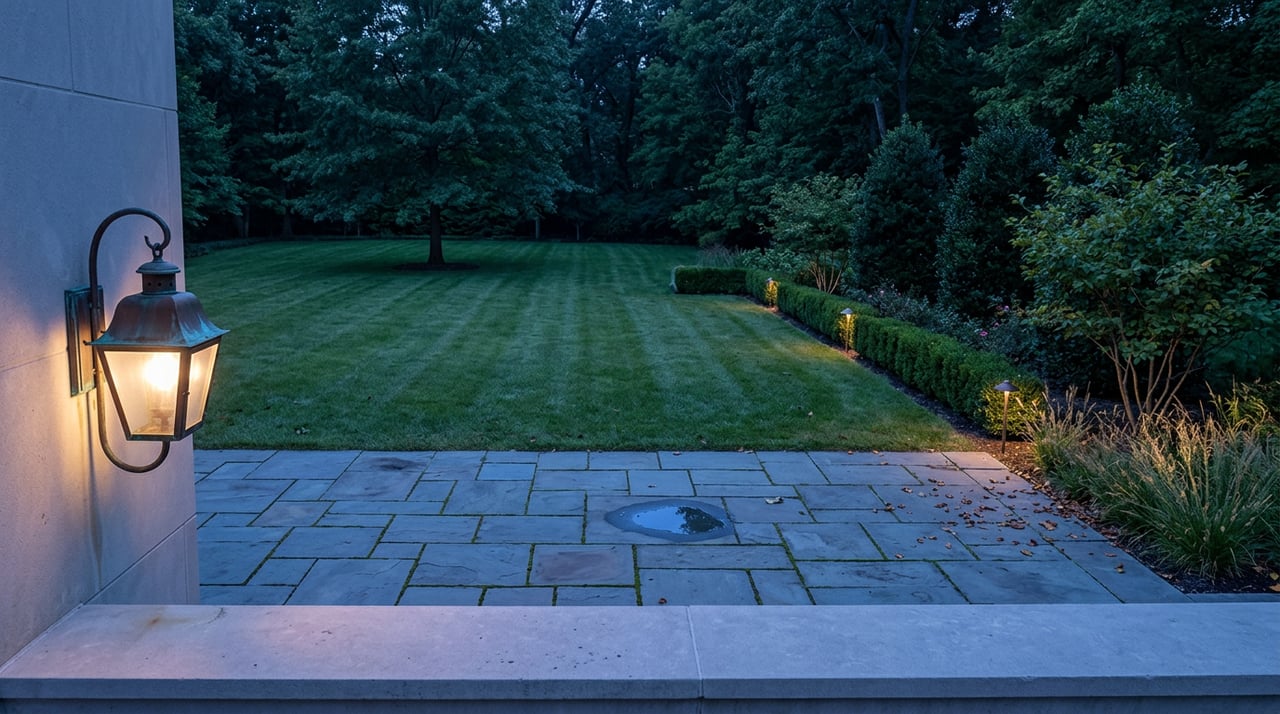
If you want a bigger yard, Vienna often delivers. You will find mid-century ranches and colonials on wider parcels, mature trees, and a steady flow of infill or new-build homes. Many single-family zones allow additions or accessory structures within local setback and lot coverage rules. The trade-off is that some homes sit farther from a dense restaurant and retail core.
Falls Church City: walkable homes, smaller yards
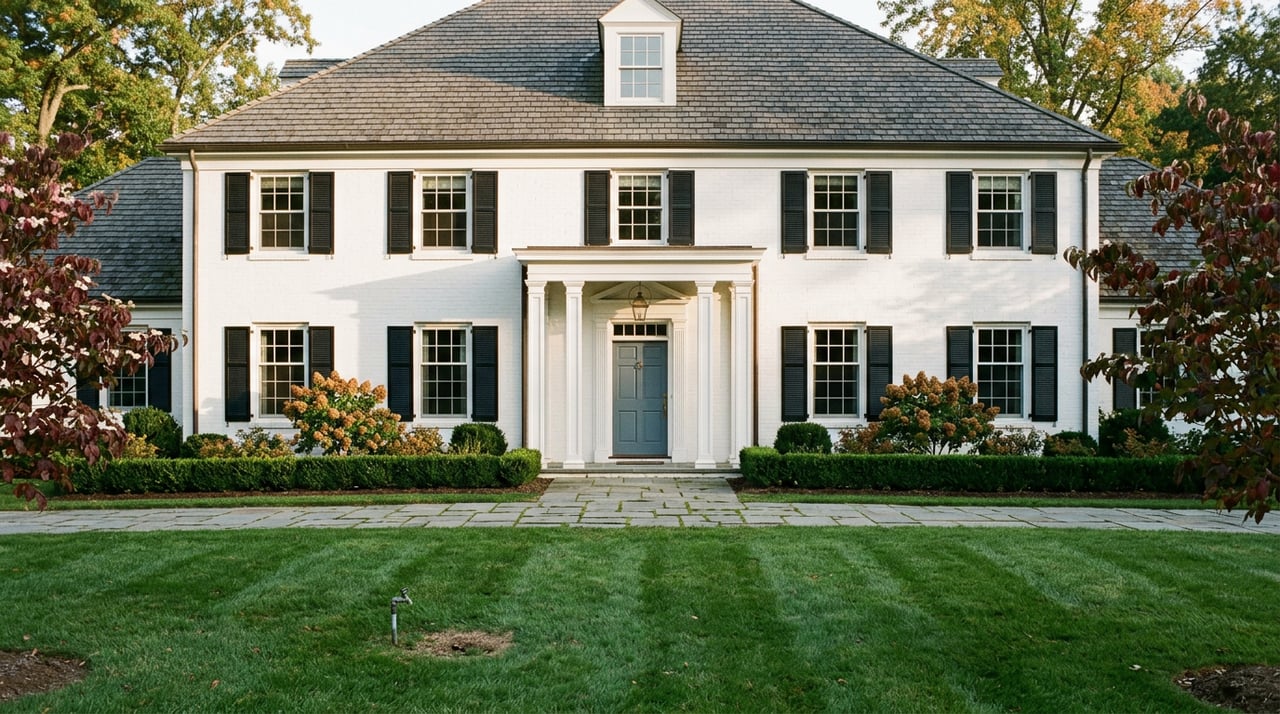
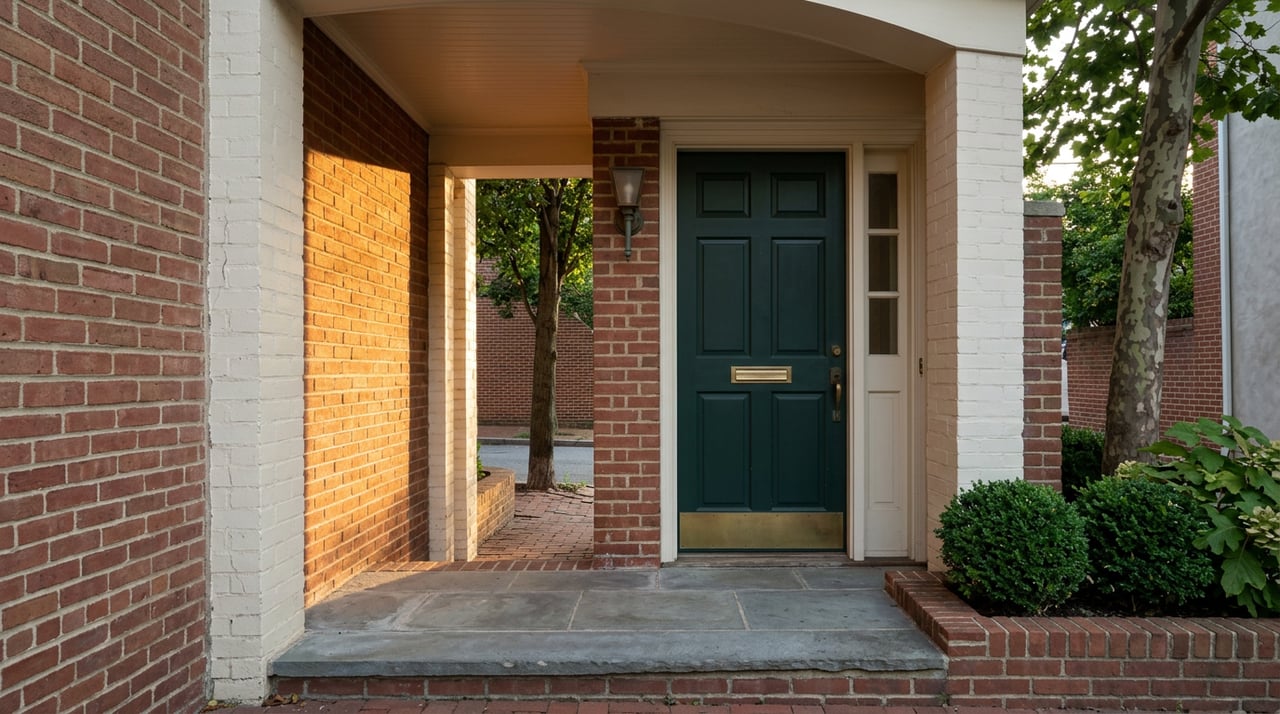
Falls Church City leans more compact. You will see brick colonials, townhomes, and low- to mid-rise infill and condo projects. Lots are typically smaller, which can mean easier upkeep and a shorter walk to dining and services. Per-square-foot prices near transit and downtown amenities can be higher, reflecting that walkability premium.
Commute, drive times, and transit
Both locations connect quickly to I-66, Route 7, and the Beltway, but your door-to-door commute can look very different depending on neighborhood and time of day.
- Vienna offers convenient access to the Vienna/Fairfax GMU and Dunn Loring stations on the Orange Line. Many residents drive or bike to these stations and continue by Metro to Arlington or DC. Driving to Tysons is straightforward but peak congestion varies by corridor.
- Falls Church City sits close to West Falls Church and East Falls Church stations, with easy transfer to the Silver Line. That proximity can shorten your total commute to Rosslyn, Tysons, or downtown depending on your schedule. Local bus connections add options for car-light routines.
Rush-hour conditions shift day to day. Before you buy, test your routes to your workplace at the exact times you plan to travel.
Dining, parks, and walkability
Vienna: space plus green escapes
Vienna’s Maple Avenue corridor anchors restaurants and shops, while nearby attractions like major parks and trails offer room to roam. Many neighborhoods feel leafy and residential, so you often trade a longer walk for more private outdoor space. Community events and seasonal markets add a small-town feel.
Falls Church City: a compact, lively core
Falls Church’s downtown packs a lot into a small area. You can walk to cafes, restaurants, and local businesses in minutes from many streets. Farmers’ markets and neighborhood venues foster a lively, convenient lifestyle. Yards are smaller on average, so you rely more on nearby playgrounds and trails for outdoor time.
Schools, taxes, and services to compare
- Schools: Town of Vienna addresses are typically served by Fairfax County Public Schools. City of Falls Church addresses are served by Falls Church City Public Schools. Always confirm specific school boundaries for a property and review the most recent school reports before you bid.
- Taxes and services: Property tax rates, trash collection, stormwater fees, and other municipal charges differ between Fairfax County, the Town of Vienna, and the City of Falls Church. These can change your annual ownership cost even when the purchase price is similar. Verify current rates and any special districts for each address you consider.
Use official county or city resources to confirm the details that apply to a particular property. Boundaries and policies can change.
Market dynamics and resale patterns
Inventory and pricing shift by micro-neighborhood. In general, homes close to walkable cores and transit stops in Falls Church City often command a higher price per square foot, while Vienna’s larger lots can appeal to buyers who value space and future expansion. Time on market varies by condition, location, and whether a home is renovated or new construction. If you expect to renovate, account for zoning limits, permit timelines, and carrying costs during the work.
When you evaluate resale, think about who your future buyer will be. A renovated home near a Metro station may attract commuters and command a premium per square foot. A larger Vienna lot may draw buyers who prioritize outdoor living and room to grow.
Who each area fits best
- Vienna tends to fit buyers who want a bigger yard, more separation from the street, and flexibility to add square footage over time. You accept a longer walk to a coffee shop in exchange for private outdoor space.
- Falls Church City tends to fit buyers who value a short stroll to dining and transit, prefer lower yard maintenance, and want a compact, active neighborhood feel.
Both areas offer pockets that break the mold. You will find new builds and larger lots in parts of Falls Church area neighborhoods in Fairfax County, and walkable clusters within Vienna. The right choice depends on the exact block, not just the zip code.
Example purchase profiles
Yard-first upsize in Vienna
- Home type: Single-family detached, 3 to 5 bedrooms.
- Why it works: Larger lot for a pool, garden, or potential accessory structure, with space to expand.
- Trade-offs: Longer walk to restaurants, potentially longer drive to some job centers.
- Best for: Buyers who want outdoor living and long-term flexibility.
Walkability-first upsize in Falls Church City
- Home type: Brick colonial or large townhouse, 3 to 4 bedrooms.
- Why it works: Short walk to downtown dining, services, and nearby Metro.
- Trade-offs: Smaller yard, higher per-square-foot pricing, and potentially higher municipal taxes.
- Best for: Buyers who want interior space plus a car-light daily routine.
Renovation potential in Vienna infill
- Home type: Older ranch on a larger lot.
- Strategy: Buy for the lot and renovate, add a second story, or build new.
- Key checks: Zoning, setback rules, neighborhood character, permit time, and carrying costs.
New-build or modern townhome in Falls Church area (Fairfax County)
- Home type: Contemporary townhome or infill single-family replacement.
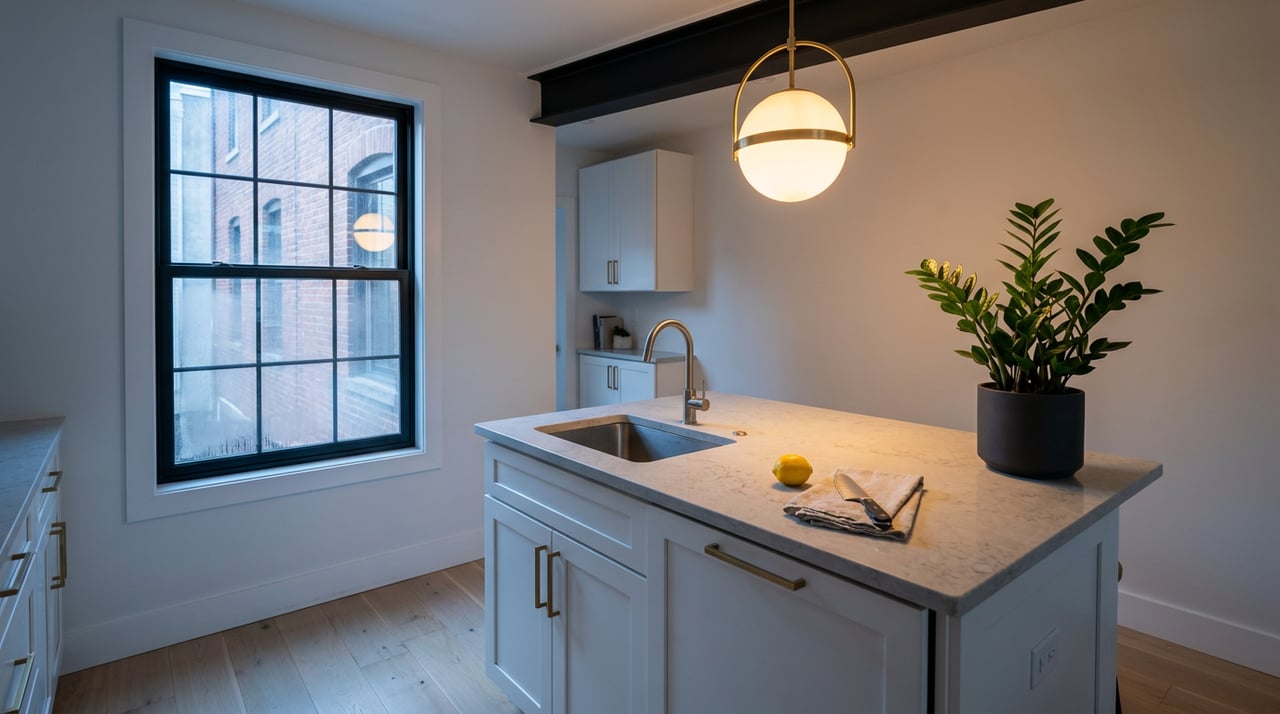
- Why it works: Modern layout and finishes with lower maintenance and proximity to urban amenities.
- Trade-offs: Smaller yard and possible HOA or community fees.
How to choose: quick checklist
Use this short list to pressure-test each option before you write an offer.
- Space and lot: Does the yard support your plans for a play area, garden, or pool within zoning limits?
- Commute reality: Have you tested your exact route to work and school at peak times by car and by transit?
- Daily routine: Can you walk to the places you use most, or are you comfortable driving for dining and errands?
- Schools: Have you confirmed school boundaries and read the most recent reports for the specific address?
- Carrying costs: Do property taxes, utilities, and any HOA or city fees fit your annual budget?
- Resale: Who is your future buyer, and will this location and layout appeal to that person?
Get local guidance you can trust
You do not have to solve this alone. A senior-led team that works these micro-markets every day can help you compare specific blocks, vet zoning and permits, and model commute and tax trade-offs for your shortlist homes. If you want a calm, data-backed plan and a smooth move-up, connect with The Alliance Group for tailored guidance and private tours.
FAQs
What is the main difference between Vienna and Falls Church for upsizing?
- Vienna often offers larger lots and more room to expand, while Falls Church City offers tighter walkability and proximity to transit with smaller yards.
How do schools differ between Vienna and Falls Church City?
- Vienna addresses are typically served by Fairfax County Public Schools, while City of Falls Church addresses are served by Falls Church City Public Schools; always confirm boundaries for a specific property.
Which area has better Metro access for commuting to DC?
- Falls Church City sits closer to West Falls Church and East Falls Church stations, while Vienna residents often use Vienna/Fairfax GMU or Dunn Loring; test both options at your commute time.
Will I pay more in property taxes in one location?
- Tax rates and municipal fees differ between Fairfax County, the Town of Vienna, and the City of Falls Church; verify current rates to understand your total annual cost.
Can I add an addition, ADU, or pool on my lot?
- It depends on zoning, setbacks, and lot coverage rules in the jurisdiction; review local regulations and permitting timelines for the specific address before making an offer.