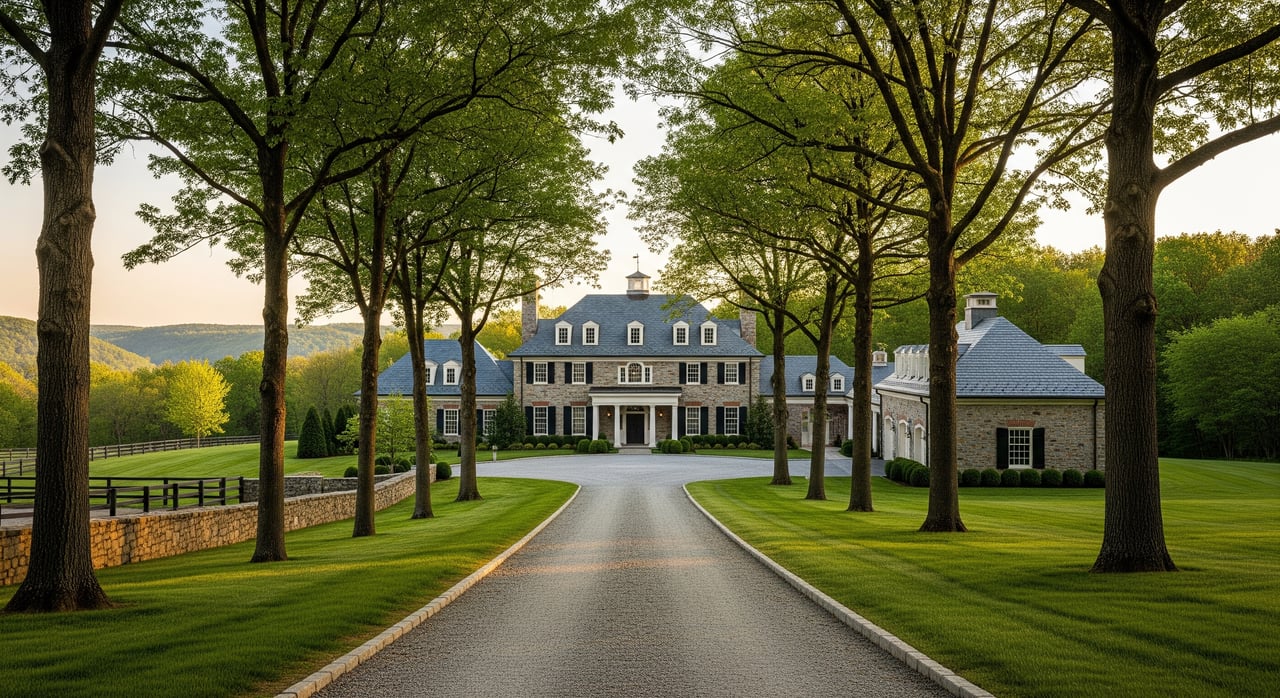
Thinking about trading city convenience for more space, fresh air, and privacy without losing your connection to DC? If large lots, wooded views, and river access speak to you, Great Falls in Fairfax County might be the change you’re picturing. You’ll get an estate lifestyle with room to grow, balanced by realistic commutes, practical ownership details, and a tight-knit village feel. This guide walks you through the everyday experience, from housing and acreage to trails, schools, utilities, and what to check before you buy. Let’s dive in.
The setting: semi-rural estate living
Great Falls reads as a low-density, estate-style suburb framed by rolling hills, mature trees, and the Potomac River. You’ll find privacy, space, and quiet streets rather than dense subdivisions. The area’s proximity to protected parkland shapes how it grows and helps preserve its natural character.
Local life centers on single-family homes, most tucked along winding two-lane roads. A small village area offers daily essentials, while major shopping, dining, and services sit in nearby Tysons, McLean, Reston, and Vienna. Many residents work in federal government, defense contracting, finance, tech, or consulting across the DC metro, and choose Great Falls for its balance of retreat and access.
Homes and land in Great Falls
Lot sizes and home styles
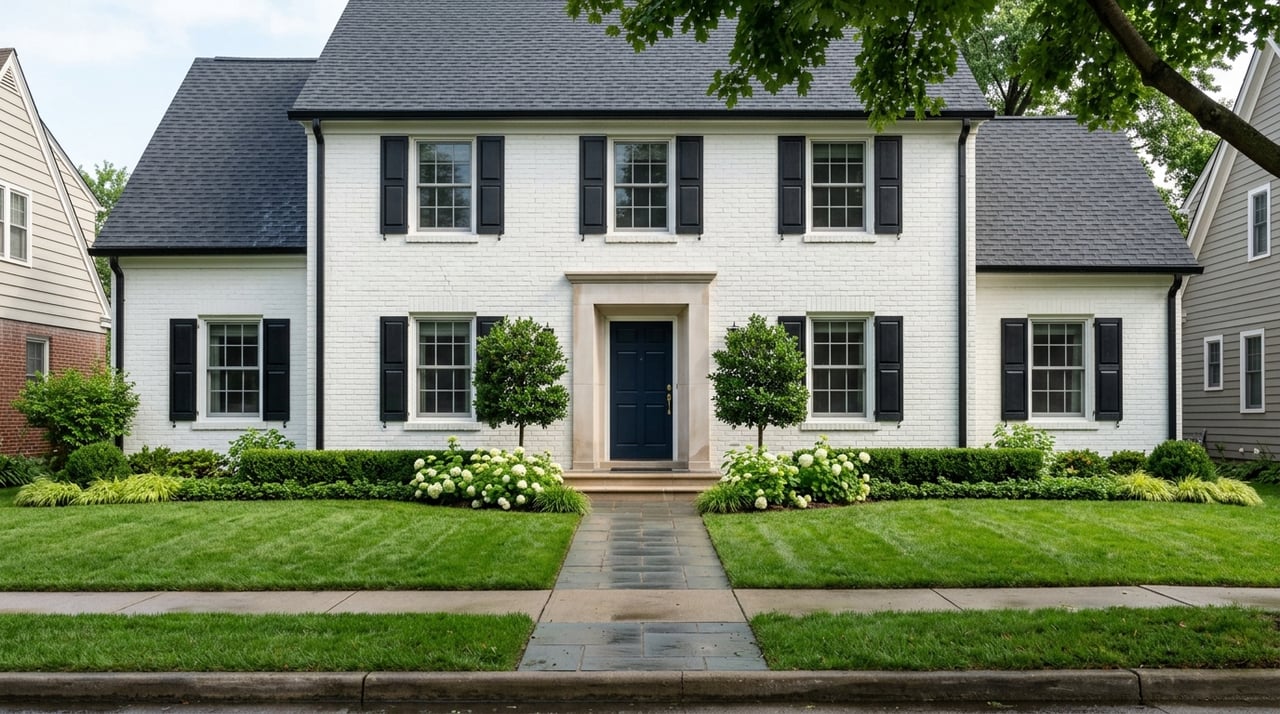
Most properties are single-family homes set on 1 to 5 acres. You’ll also see larger tracts of 5 to 20-plus acres, especially near the Potomac and along quieter back roads. Architecture ranges from classic colonials and ranch homes to renovated estates and custom new builds. Replacement construction is common where a great lot can support a modern residence.
Because public water and sewer are not universal, many homes rely on private wells and septic systems. Larger lots are typical here and help accommodate septic fields, outbuildings, and, in some cases, equestrian amenities.
Price ranges and market patterns
Great Falls is a luxury-leaning market. In recent years, smaller or entry-level detached homes often approach seven figures, depending on lot and condition. Well-located homes on 1 to 3 acres commonly trade in the mid to upper seven figures, while larger custom estates on 3 to 20-plus acres can reach the multi-million range. Exceptional properties with equestrian setups or prime locations tend to command premiums.
Inventory for standout lots or fully updated estates can be tight. Quiet or off-market opportunities are more common at the high end, and timelines for new construction or major renovations should factor in county permitting and tree and stormwater rules.
Everyday lifestyle and amenities
Equestrian culture and basics
Horse ownership is part of everyday life for many residents. It’s common to see private barns, paddocks, and riding arenas on larger parcels. If you plan to keep horses or consider light boarding, verify that your intended use aligns with county zoning and any HOA covenants. Fairfax County regulates agricultural and equestrian activities, including possible special exceptions for commercial operations. You can review permitted uses and processes on the county’s Zoning page. Explore Fairfax County Zoning and Land Use.
Ownership costs are a practical consideration. Budget for pasture care, fencing, hay and feed, vet and farrier services, manure management, and insurance. Fees can vary widely with the level of care and whether you board elsewhere or keep horses on site.
Parks, trails, and the river
The outdoors are a defining perk. Great Falls Park, managed by the National Park Service, offers dramatic overlooks of the Potomac River’s falls, short trails, picnic spots, and rock scrambles. It is very popular on weekends, so plan accordingly. See Great Falls Park details on the NPS site.
Nearby Fairfax County parks add longer trail systems, river put-ins, and seasonal programs. Residents enjoy hiking, biking, paddling, and birding across a network of conserved areas, including Riverbend Park and other local trail corridors.
Village conveniences and nearby hubs
The village area provides a small cluster of restaurants, coffee, boutique shops, and services. For broader retail, entertainment, and specialty care, most residents drive to Tysons, McLean, Reston, or Fairfax. Local farmers’ markets and seasonal events are regular community anchors.
Clubs, fitness, and healthcare
Private clubs and golf options in the broader area are popular and may have waitlists. Healthcare is anchored by Fairfax County emergency services and regional hospital systems. Major hospitals, including Inova facilities, are within a typical 20 to 40 minute drive depending on your exact address and traffic.
Commute and connectivity
Most households drive. Common routes include Georgetown Pike and connectors to VA-7 and the Capital Beltway for Tysons, McLean, Arlington, and downtown DC. In off-peak times, plan roughly 30 to 50 minutes to central Arlington or Tysons. Peak-hour trips into downtown DC can run 45 to 75 minutes or more. Dulles International is typically 20 to 40 minutes away depending on route and time, while Reagan National usually takes longer.
Public transit options inside Great Falls are limited. Many residents drive to nearby Metro stations on the Silver Line in Tysons or the Wiehle area, or use park-and-ride and commuter services in adjacent corridors. For regional transportation resources and planning updates, you can consult the Northern Virginia Transportation Commission.
Roads are often two-lane and wooded. Winter weather can slow travel, and some private roads or long driveways require owner or HOA arrangements for plowing. Cell and internet coverage vary by address. Some areas have access to cable or fiber, but confirm availability at the property level before you decide.
Schools and services
Great Falls is served by Fairfax County Public Schools. School assignments vary street by street and can change over time. Before you buy, use the FCPS Boundary Locator to confirm the current assignment for a specific address. Check the FCPS Boundary Locator.
Many families also consider private schools and early childhood programs in nearby communities like McLean, Vienna, and Tysons. Options include Montessori, religious-affiliated, and college-preparatory programs.
For utilities, confirm whether a property has public water and sewer or relies on a well and septic system. The Fairfax County Health Department oversees permitting and inspections for private well and septic. Review Fairfax County well and septic guidance. Real estate taxes are a meaningful ongoing expense for high-value parcels; you can review rates and assessments through the county’s tax pages. See Fairfax County real estate taxes.
What to know before you buy
Due diligence on land and structures
Large-lot purchases benefit from deeper checks than a typical suburban home. Build time for research and professional inspections into your plan.
- Zoning and covenants. Confirm the zoning district, permitted uses, setbacks, and any HOA rules that affect construction, animal keeping, or subdivision. Start with the county’s zoning resources. Review Fairfax County Zoning.
- Well and septic. Order a well flow test and lab water quality test. Review septic records and plan for pumping or possible upgrades, especially with older systems. See Fairfax County well and septic guidance.
- Surveys and boundaries. Commission a current survey, especially for irregular parcels, shared driveways, or older fences.
- Environmental constraints. Check for wetlands, riparian buffers, and regulated areas near waterways, including Resource Protection Areas governed by the Chesapeake Bay Preservation Ordinance. Learn about RPAs and stormwater rules.
- Easements and private roads. Verify ingress and egress rights, utility easements, and private road maintenance agreements.
- Historic or conservation easements. Some parcels carry restrictions that limit subdivision or building locations.
Utilities, maintenance, and ongoing costs
Acreage offers freedom and privacy, but it also requires upkeep. Plan for driveway maintenance, tree care, well and septic servicing, and fencing. Property taxes scale with value. HOA dues may apply in some subdivisions. If you plan for horses, account for annual expenses like feed and bedding, veterinary and farrier care, pasture maintenance, and equipment upkeep.
Building, renovation, and timing
Permits are required for major work. Expect reviews for building, erosion and sediment control, and possible tree removal depending on scope. Larger site work can involve stormwater controls and inspections. Northern Virginia has robust contractor options for estates and equestrian facilities. As with any high-end project, vet references, confirm licensing and insurance, and build in contingency time.
Upsides and tradeoffs
Upsides
- Privacy and room to breathe on 1 to 20-plus acre lots.
- Strong outdoor access with Great Falls Park and county trails close by.
- Estate-scale living within reach of Tysons, McLean, and DC job centers.
- Resilient property values in a luxury-oriented market.
Tradeoffs
- Auto-dependent lifestyle and longer peak-hour commutes.
- Higher maintenance for acreage, wells, septics, and private roads.
- Fewer immediate retail and entertainment options in the village core.
- Extra checks for zoning, environmental restrictions, and construction permits.
Is Great Falls estate country right for you?
If you want space, nature, and a retreat-like setting while staying engaged with the DC economy, Great Falls delivers. You trade a bit of convenience for quiet woods, starry nights, and the freedom to create a home that fits your lifestyle, whether that means a garden, a guest house, or a barn.
When you’re ready to explore, you deserve guidance from a team that knows acreage, understands wells and septics, and can uncover opportunities on and off market. If you’re weighing neighborhoods, commute patterns, or equestrian features, we can help you evaluate what fits and manage every step with discretion and care. Connect with The Alliance Group to book a private consultation and start your Great Falls plan.
FAQs
How long are rush-hour commutes from Great Falls to DC?
- Typical peak-hour trips into downtown DC range from about 45 to 75 minutes or more. Off-peak drives to Tysons or central Arlington often run 30 to 50 minutes, depending on your exact location and route.
Are there direct Metro options in Great Falls?
- There is no direct Metro station in Great Falls. Many residents drive to nearby Silver Line stations in Tysons or the Wiehle area, or use commuter park-and-ride options in adjacent corridors.
What lot size should I expect if I want horses?
- Properties with equestrian setups commonly sit on 5 to 20-plus acres, though lighter private use can be possible on smaller parcels. Always verify county zoning and any HOA covenants for animal keeping and facility rules.
Are most homes on public water and sewer in Great Falls?
- Public water and sewer are not universal. Many properties use private wells and septic systems. Confirm service type before you buy and review permitting and inspection guidance from Fairfax County.
Which schools serve Great Falls addresses?
- School assignments vary by street and can change. Use the Fairfax County Public Schools Boundary Locator to check the current assignment for the specific address you are considering.
Do properties near the Potomac have extra environmental rules?
- Parcels near waterways can include regulated areas like Resource Protection Areas and may have floodplain considerations. Check county stormwater guidance and review surveys and environmental reports during due diligence.