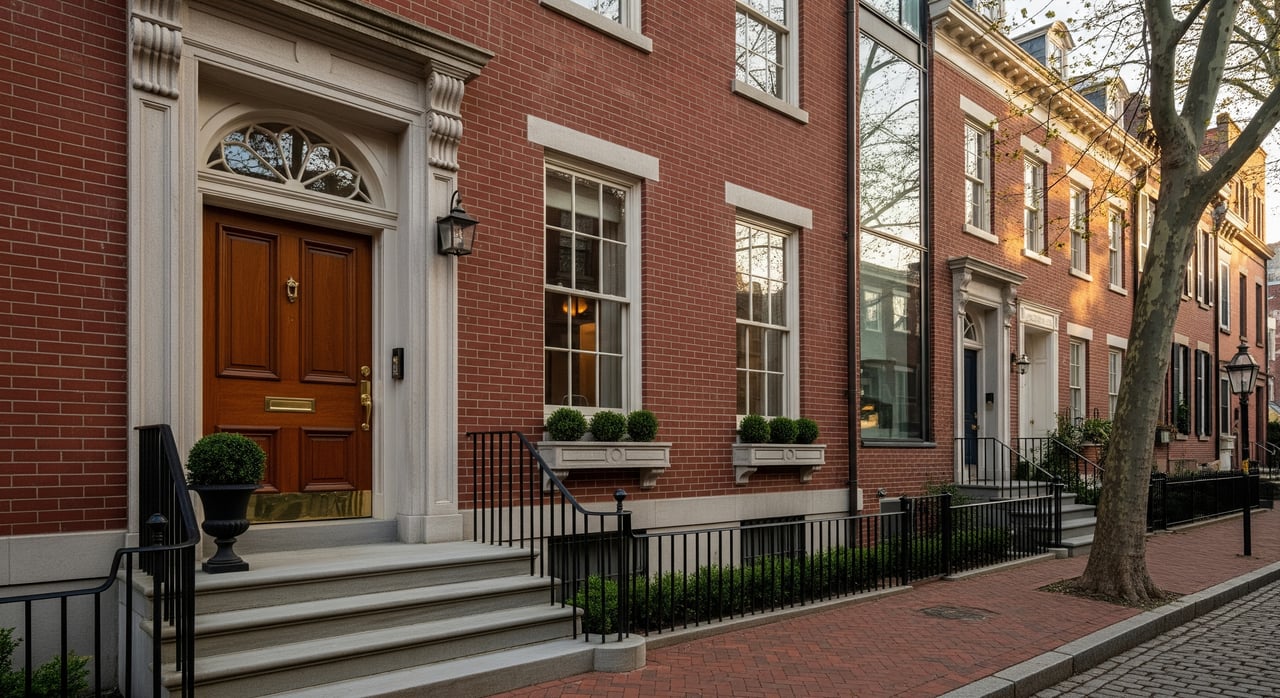
Buying in Georgetown comes with a unique promise: historic charm that holds value. It also comes with rules that shape what you can change and how you must do it. If you plan to renovate, you need a clear roadmap so your project earns approvals the first time and stays on schedule. This guide breaks down who reviews your plans, what work needs sign-off, the timelines to expect, and how to design for yes. Let’s dive in.
What makes Georgetown unique
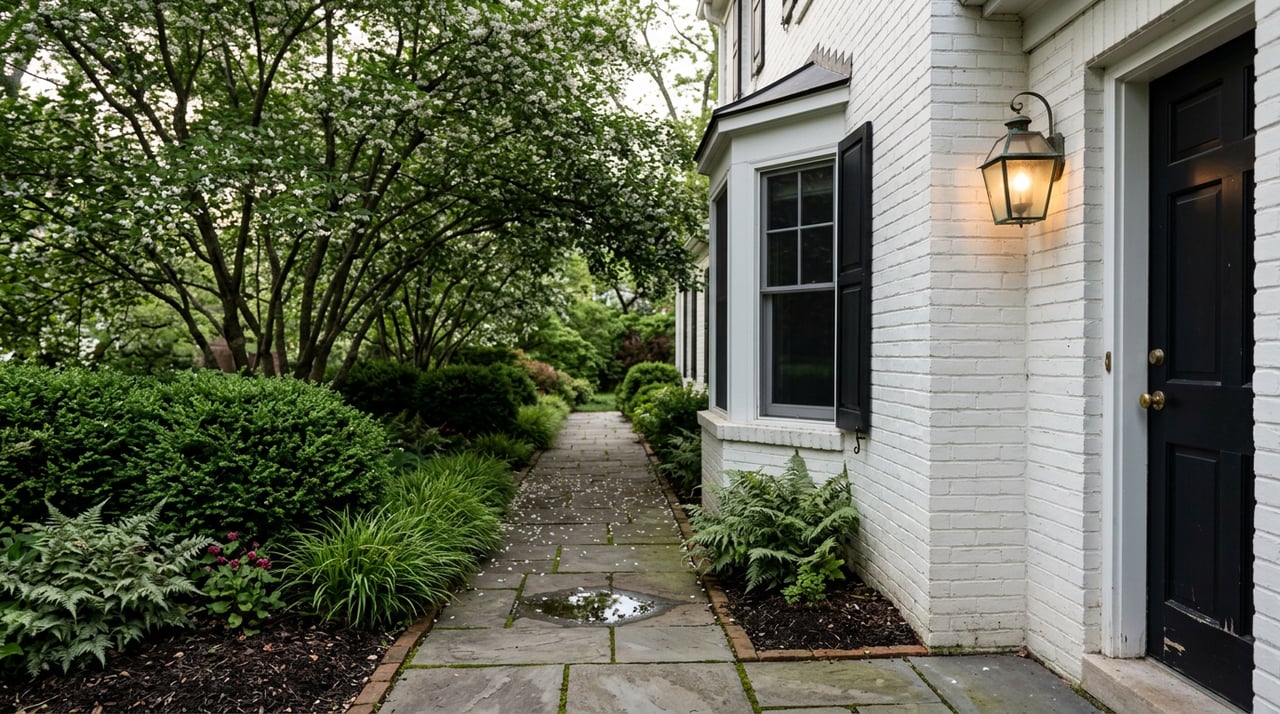
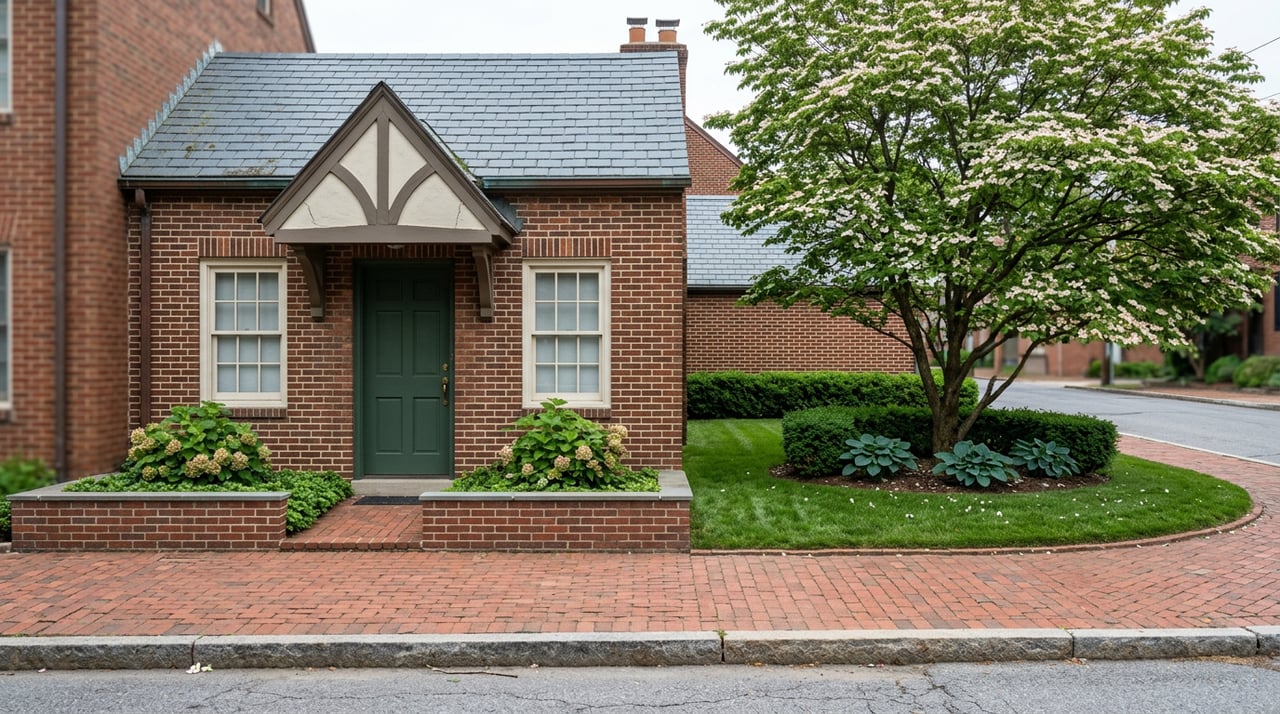
Georgetown sits within a local historic district. That means exterior changes that are visible from public space are reviewed for how they affect the neighborhood’s character. The focus is on what you see from the street, alley, or a public park.
Reviewers look closely at materials, window profiles, rooflines, and any change in massing. Rear work that is not visible is generally easier, but it still needs to be compatible.
Who reviews your project
Several groups may be involved. Knowing their roles helps you plan the right path.
- DC Historic Preservation Office (HPO) advises on historic districts and manages submissions.
- Old Georgetown Board (OGB) is the key Georgetown design reviewer for public-facing work.
- Historic Preservation Review Board (HPRB) hears larger or citywide historic cases.
- Department of Buildings handles construction permits.
- District Department of Transportation manages public-space permits for sidewalks, vaults, curb cuts, and tree impacts.
- Advisory Neighborhood Commission 2E is not an approval body, but its feedback can influence outcomes and timing.
What work needs approval
The guiding principle is visibility from public space. If you can see it from the sidewalk, expect review.
Windows
Windows strongly define Georgetown façades. Reviewers generally prioritize repair over replacement on street-facing elevations. If replacement is necessary, new units should match original profiles, sightlines, muntin patterns, and operation. Wood is commonly preferred where visible, and vinyl or aluminum that alters appearance is often discouraged. Storm windows are often an acceptable efficiency upgrade that preserves historic fabric.
Additions and basements
Rear additions that are set back and not visible from public space are generally more feasible when massing is compatible. Rooftop additions may be allowed only when set back enough to be minimally visible. Basement excavations raise structural and party-wall questions and can trigger engineering and neighbor notifications.
Facades and masonry
Cleaning, repointing, and masonry repair must use appropriate methods and materials. Abrasive cleaning that damages brick or stone is usually prohibited. Storefront changes, entries, signage, and awnings in commercial areas require design review.
Fences and public space
Front-yard and alley gates or fences are reviewed for height and design compatibility. Work in public space, such as steps extending into the sidewalk, vaults, curb cuts, or tree pits, requires public-space permits and often coordinated OGB review.
Paint and finishes
Policies vary on whether color changes need review. Primary façade color changes can be character-defining, so confirm requirements with HPO and OGB. Routine repainting in kind is often handled administratively.
Demolition and emergencies
Demolition is tightly controlled and rarely approved without strong justification. Urgent life-safety repairs can often proceed with documentation, but notify HPO and OGB promptly if historic materials are affected.
How the approval process works
Understanding the sequence helps you set realistic expectations and avoid delays.
Pre-application
Start with fact-finding and an optional pre-submission meeting with HPO or OGB. Early input clarifies the reviewers, documents, and constraints.
Concept review
Submit preliminary drawings for staff and OGB feedback. Early comments help you adjust massing, materials, or visibility before a formal hearing.
Community input
Engage ANC 2E and adjacent neighbors early. Community feedback often influences design tweaks and timing.
Formal application
File complete materials for HPO and OGB. Staff may request revisions before scheduling you for a board agenda.
Hearings
OGB and sometimes HPRB hold public meetings where you present and receive a vote. Complex projects may require multiple hearings, from concept through final.
Permits and construction
After historic approval, obtain building permits from the Department of Buildings and any public-space permits. Construction proceeds with inspections and compliance with permit conditions.
Timelines to expect
Planning for timing is as important as planning design.
- Pre-application consultation: 2 to 6 weeks to schedule and prepare.
- Concept review and scheduling: often 4 to 8 weeks from submission, sometimes longer.
- Total historic approval: small in-kind work in 4 to 12 weeks, moderate projects in 3 to 6 months, major projects in 6 to 12 months or more.
- Building permits: add 4 to 12 weeks after historic sign-off.
- Overall start-to-start: 3 to 9 months for smaller projects, 6 to 18 months or more for larger scopes.
Smart prep before you buy
Early diligence can save you months later. Here is what to check before closing or before you design.
Due diligence checklist
- Confirm the property is within the Georgetown Historic District and note any individual designations or covenants.
- Request prior certificates, permits, and decision letters to see what was approved and any conditions.
- Check for open historic or building-code violations.
- Ask for maintenance history for windows, roofs, foundations, and party walls, plus any party-wall or alley-access agreements.
- Identify public-space features tied to the property, such as sidewalk vaults or historic ironwork.
- Confirm whether the property will be income-producing, which affects eligibility for federal historic tax credits.
Build the right team
Choose an architect and contractor with Georgetown experience and successful OGB track records. A preservation architect can help evaluate repair versus replacement, especially for windows. For basements or structural changes, bring in a structural engineer with party-wall expertise. Early expert input pays for itself in time saved and approvals earned.
Design moves that get to yes
The right design strategy improves your odds at the first hearing.
- Prioritize repair in kind on street-facing elevations.
- For replacements, match profiles and sightlines with measured drawings and photos.
- Push bulk to the rear and set back rooftop elements so they are not visible from the public way.
- Use historically appropriate materials where visible. Provide samples and precedents if proposing modern alternatives.
- Submit clear elevations, context photos, and material samples. A complete, legible package speeds staff review.
Pitfalls to avoid
Avoid costly mistakes that can trigger delays or reversals.
- Starting work before permits or without confirming OGB review.
- Replacing windows with stock units that alter proportions or sightlines.
- Overlooking public-space impacts like scaffolding or sidewalk closures that require permits.
- Missing board submission deadlines, which can add a month or more.
Budget and financing notes
Preservation-grade work, such as custom wood windows or masonry conservation, typically costs more than generic alternatives. Plan for that in your budget. Federal historic rehabilitation tax credits can apply to income-producing properties when work meets accepted standards. Lenders may ask for documentation of approvals for construction or remodeling loans.
Appeals and adjustments
If a decision is not favorable, you may revise and resubmit or pursue administrative appeals. Expect added time and cost if you go this route. Strong early design and community engagement reduce the need for appeals.
Georgetown vs. Arlington rules
Georgetown is in Washington, D.C., with review by HPO and OGB, and sometimes HPRB. If your property is in Arlington County, Virginia, a different process applies under Arlington’s Historic Preservation Program and its review board. Verify your municipal boundary and confirm which authority governs your project before you design.
Next steps
- Confirm your jurisdiction and whether your scope triggers historic review.
- Schedule a pre-application discussion with HPO or OGB.
- Assemble a Georgetown-experienced team and map your submission calendar.
- Engage neighbors and ANC 2E early and often.
When you are ready to buy, sell, or renovate in Georgetown, you deserve a team that understands both the market and the process. For tailored guidance, introductions to vetted preservation professionals, and a smooth path from concept to closing, connect with The Alliance Group. We will help you plan the right steps and move with confidence.
FAQs
Can you replace Georgetown front windows with vinyl?
- Vinyl is generally discouraged on street-facing elevations; repair or wood replacements that match original profiles are more likely to be approved.
What should you know about rooftop additions in Georgetown?
- Rooftop additions may be possible if set back to be minimally visible and designed with compatible massing and materials.
How long do Georgetown historic approvals take?
- Small in-kind work may take weeks, moderate projects often take 3 to 6 months, and major alterations can take 6 to 12 months or more.
Who needs to approve a Georgetown exterior project?
- Expect OGB review, with HPO staff guidance, and HPRB involvement for larger cases, plus separate building and public-space permits.
Are there incentives to preserve a Georgetown property?
- Federal historic rehabilitation tax credits may apply to income-producing properties when work meets accepted standards; eligibility is project-specific.
What if the property is actually in Arlington, Virginia?
- Arlington has its own historic review program and board, so you must follow Arlington’s separate guidelines and processes.