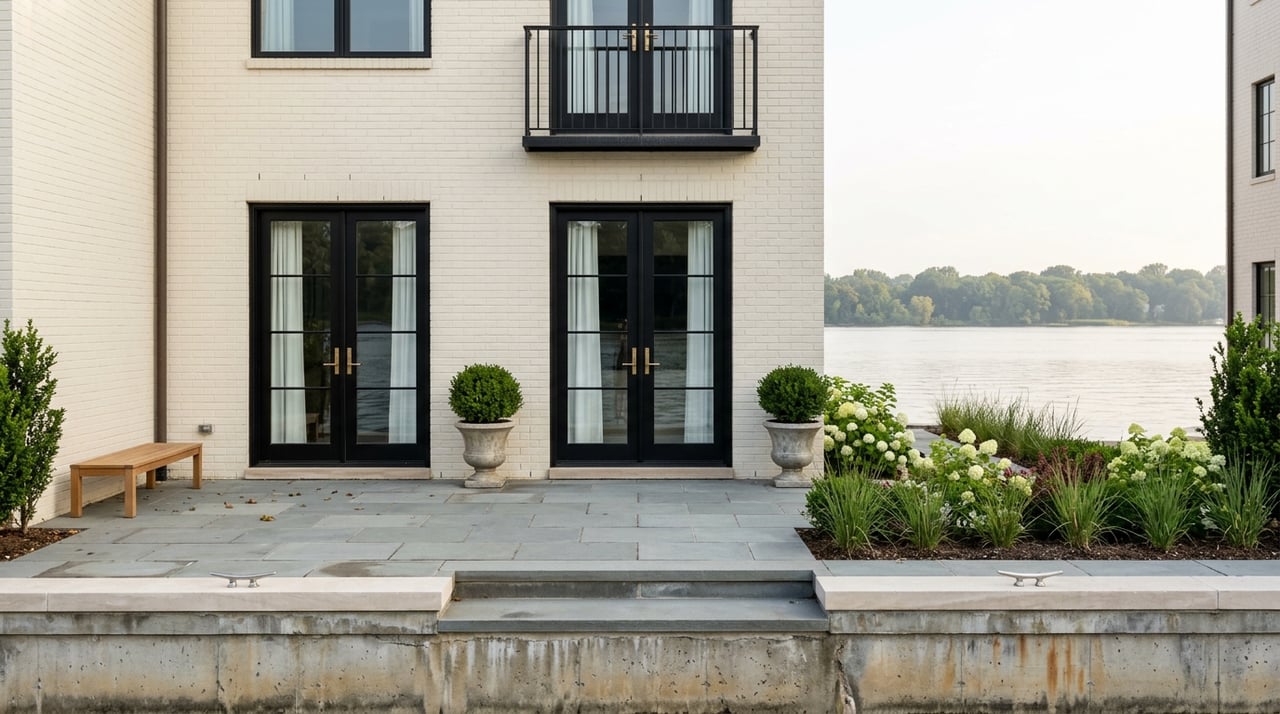
What does “waterfront living” really mean in Old Town Alexandria? For many buyers, it sounds like quiet river views and easy walks by the water. In reality, Old Town offers something more layered: historic homes, limited true riverfront inventory, strong walkability, and a lively public setting that comes with real tradeoffs. If you are considering a move here, understanding those details can help you buy with more confidence. Let’s dive in.
What Waterfront Living Means Here
Old Town Alexandria sits along the Potomac River and serves as the city’s historic urban core. Alexandria says the city was founded in 1749 along the river, and that much of today’s waterfront was shaped over time through fill, wharves, and later redevelopment.
That history matters when you shop for a home. A waterfront address in Old Town can mean a true riverfront property, a home with water views, or simply a residence within a short walk of the promenade and marina. Those are very different experiences, and the price usually reflects that.
Old Town is also defined by preservation. Much of the area falls within a National Register Historic District, and the local Old & Historic Alexandria District stretches from the Potomac River on the east to near the King Street Metro on the west. For many visible exterior changes, approval from the Board of Architectural Review is required.
Historic Character Shapes Inventory
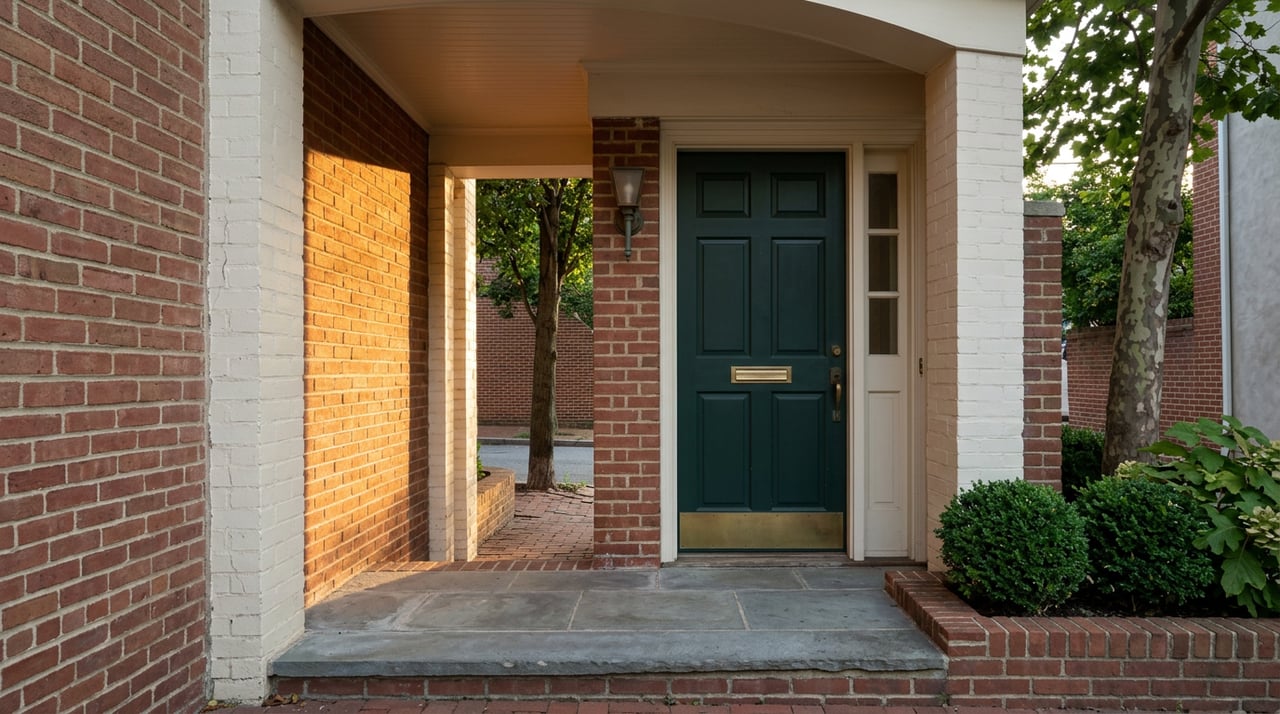
One reason waterfront homes feel so rare is that the area has layers of history built into it. Alexandria notes that Old Town is known for Georgian, Federal, and Greek Revival townhomes and rowhouses, and that the Old & Historic District is the third oldest historic district in the United States, established in 1946.
That historic character gives the neighborhood much of its appeal. It also limits how easily sites can be redeveloped or expanded compared with newer communities elsewhere in the region.
Along the waterfront, development has had to work around archaeology, preservation, and flood mitigation. The city’s archaeology work has documented ship hulls and other historic remains at waterfront sites, including Robinson Landing. As a result, the supply of truly direct waterfront housing remains limited.
What Types of Homes You’ll Find
If you want to live on or near the water in Old Town, you will generally see three categories of housing. The first is older rowhouses and townhomes near the river. The second is older condo buildings that may offer water access or proximity at a lower price point. The third is a small number of newer luxury waterfront residences.
Robinson Landing is one of the best-known newer waterfront projects. The city says it was planned as 26 townhomes and 70 condominiums, along with dining, retail, a waterfront promenade, and a revitalized pier.
Fords Landing is another important riverfront community. The city has noted that its waterfront walkway is publicly accessible and owned and maintained by the homeowners association.
For buyers, this mix creates a broad range of options. You may find a smaller condo with lower entry pricing than a newly built riverfront townhouse, even within the same broader waterfront area.
What Waterfront Homes Cost
Pricing in Old Town’s waterfront market covers a wide spectrum, but true waterfront product is typically a premium segment. Current market snapshots show that Old Town condos listed through Redfin have a median listing price of $699K, while townhouse listings range from about $995K to $1.9M in examples cited in the research.
At the condo level, the entry point can still be meaningful. A current Porto Vecchio example is around $500K for a one-bedroom, one-bath unit, with a monthly HOA of $1,054. Another nearby listing is $624,900.
At the upper end, the pricing moves quickly. A recent Fords Landing riverfront townhome sale closed at $3.15M, and Zillow examples at Robinson Landing show units ranging from roughly $1.61M to more than $5.0M.
The key takeaway is simple: being near the water is not the same as being directly on it. If your goal is a true riverfront address, expect tighter inventory and significantly higher pricing.
Monthly Costs Matter More Than Many Buyers Expect
The purchase price is only one part of the picture. In Old Town waterfront living, your monthly carrying costs can rise meaningfully once condo or HOA fees and potential flood insurance are part of the equation.
Older full-service condo buildings may offer a lower purchase price than newer luxury projects, but the monthly fee can still be substantial. That can affect affordability just as much as the mortgage payment.
For buyers comparing options, it helps to evaluate homes in terms of total monthly cost rather than price alone. A lower-priced condo may not always be the lower-cost lifestyle once fees are added, while a townhome may trade a higher purchase price for a different cost structure.
Daily Life on the Waterfront
Old Town’s waterfront lifestyle is one of its biggest draws. The city describes the Marina and Waterfront Parks area as about 23 acres of parks, walking and bike trails, shops, dining, historic sites, and a public marina.
If you enjoy being outside, this setting can feel especially convenient. The City Marina includes 62 boat slips, along with overnight slips and short-term docking, which adds another layer of activity along the waterfront.
King Street anchors much of everyday life nearby. Visit Alexandria says the King Street mile has more than 200 independent restaurants and boutiques, and the city has permanently pedestrianized the 100, 200, and unit blocks of King Street, along with parts of Strand Street, to create a more walkable experience.
That means living on the water in Old Town is often less about private seclusion and more about access. You are choosing a mixed-use, historic, walkable environment with public spaces and active streets rather than a tucked-away shoreline setting.
Can You Live Car-Light?
For many buyers, the answer is yes. Transit access is one of Old Town’s strongest advantages, especially if you want a more flexible daily routine.
WMATA says King St-Old Town station connects to DASH buses, Metrobus, and a free daily trolley to Old Town and the Waterfront. The waterfront is about a mile east of the station, and Alexandria says the DASH King Street Trolley runs every 15 minutes, 365 days a year, between the station and City Hall and Market Square.
VRE and Amtrak are adjacent to the station as well. If you commute into DC, travel regionally, or simply prefer to keep driving to a minimum, Old Town offers more transit support than many waterfront neighborhoods do.
The Tradeoffs Buyers Should Understand
Waterfront living in Old Town is attractive, but it is not effortless. The biggest practical issue is flood risk.
Alexandria says about 20% of the city is mapped as floodplain. The city also notes that the 100-year floodplain carries a 1% annual chance of flooding and about a 26% chance over the life of a 30-year mortgage.
FEMA flood maps that Alexandria references became effective on January 11, 2024. In mapped Special Flood Hazard Areas, mandatory flood insurance purchase rules may apply for federally backed loans.
The city is actively investing in solutions. The Waterfront Flood Mitigation Project covers the core area from Duke Street to Queen Street and includes stormwater conveyance improvements, pumping stations, bulkhead work, and public-realm redesign. Alexandria has also said the interim Waterfront Park will eventually close so that this infrastructure can be built.
Noise, Foot Traffic, and Activity
Another tradeoff is the pace of the neighborhood. Old Town’s waterfront is lively by design.
Street performances, outdoor dining, pedestrian-focused blocks, festivals, and regular waterfront programming all contribute to the area’s energy. The city’s approach to public space and noise rules makes it clear that this is an active mixed-use district.
For some buyers, that is exactly the appeal. For others, especially those expecting a quiet and private riverfront experience, it can come as a surprise. If you are considering a purchase here, it is smart to visit at different times of day and on both weekdays and weekends.
Historic Rules Can Affect Renovation Plans
If you love character homes, Old Town can be incredibly rewarding. But if you expect broad exterior flexibility, you will want to understand the local rules before you buy.
Within the Old & Historic Alexandria District, the Board of Architectural Review must approve exterior alterations and demolition on visible structures. That often means more review and less freedom than you might find in a typical suburban setting.
This does not make renovation impossible. It simply means your timeline, design choices, and approval path may look different than expected. Buyers who plan ahead usually handle this process more smoothly.
How to Shop Smarter on the Waterfront
When you tour homes in Old Town Alexandria, focus on the lifestyle details that matter most to you. The label “waterfront” can cover several very different living experiences.
Ask questions like these:
- Is the home directly on the river, set back with a view, or simply near the waterfront?
- Which parts of the building or community connect to the promenade, marina, or public walkway?
- What are the monthly HOA or condo fees?
- Will flood insurance likely affect your total monthly cost?
- How much foot traffic and noise should you expect at this exact location?
- If you want to renovate, what approvals may be required?
- Can this location support the car-light lifestyle you want?
These questions help separate a beautiful showing from a smart purchase decision. In a market where inventory is limited and pricing varies widely, clarity matters.
Why Old Town Waterfront Living Stands Out
Old Town Alexandria offers a rare combination that is hard to replicate in the DC region. You get river access, historic architecture, a walkable street network, destination dining, and strong transit connections in one place.
At the same time, this lifestyle comes with premium pricing for the best locations, higher carrying costs in some buildings, flood awareness, and a more public, active atmosphere than the word “waterfront” sometimes suggests.
If that combination fits the way you want to live, Old Town can be an exceptional choice. The key is matching the right type of waterfront property to your priorities, budget, and tolerance for the realities that come with a historic riverfront district.
If you are weighing a move to the Alexandria waterfront, working with a team that understands both the fine print and the lifestyle can make the process far more strategic. The Alliance Group offers tailored, high-touch guidance for buyers who want clarity, discretion, and expert insight at every step.
FAQs
What does waterfront living in Old Town Alexandria actually mean?
- It can mean a true riverfront home, a residence with water views, or a property that is simply within walking distance of the promenade and marina.
Are there many true waterfront homes in Old Town Alexandria?
- No. Inventory is limited because waterfront development must navigate preservation, archaeology, and flood-mitigation constraints.
What is the price range for Old Town Alexandria waterfront homes?
- Based on the research report examples, condos can start around the $500K range, while true riverfront luxury homes and newer premium residences can reach several million dollars.
Do Old Town Alexandria waterfront condos have high monthly fees?
- Some do. The research report includes an example of a Porto Vecchio condo with a $1,054 monthly HOA, so it is important to compare total monthly cost, not just purchase price.
Is flood risk important when buying near the Alexandria waterfront?
- Yes. Alexandria says about 20% of the city is mapped as floodplain, and some waterfront properties may be affected by flood map designations and insurance requirements.
Is Old Town Alexandria waterfront living quiet?
- Not always. The waterfront and lower King Street area are active public spaces with dining, events, pedestrian traffic, and street performances, so the atmosphere is typically lively rather than secluded.
Can you live without a car in Old Town Alexandria near the water?
- In many cases, yes. The area benefits from Metro access, DASH buses, the King Street Trolley, walkable amenities, and nearby VRE and Amtrak service.
Do historic district rules affect Old Town Alexandria homes?
- Yes. In the Old & Historic Alexandria District, visible exterior alterations and demolition generally require Board of Architectural Review approval.