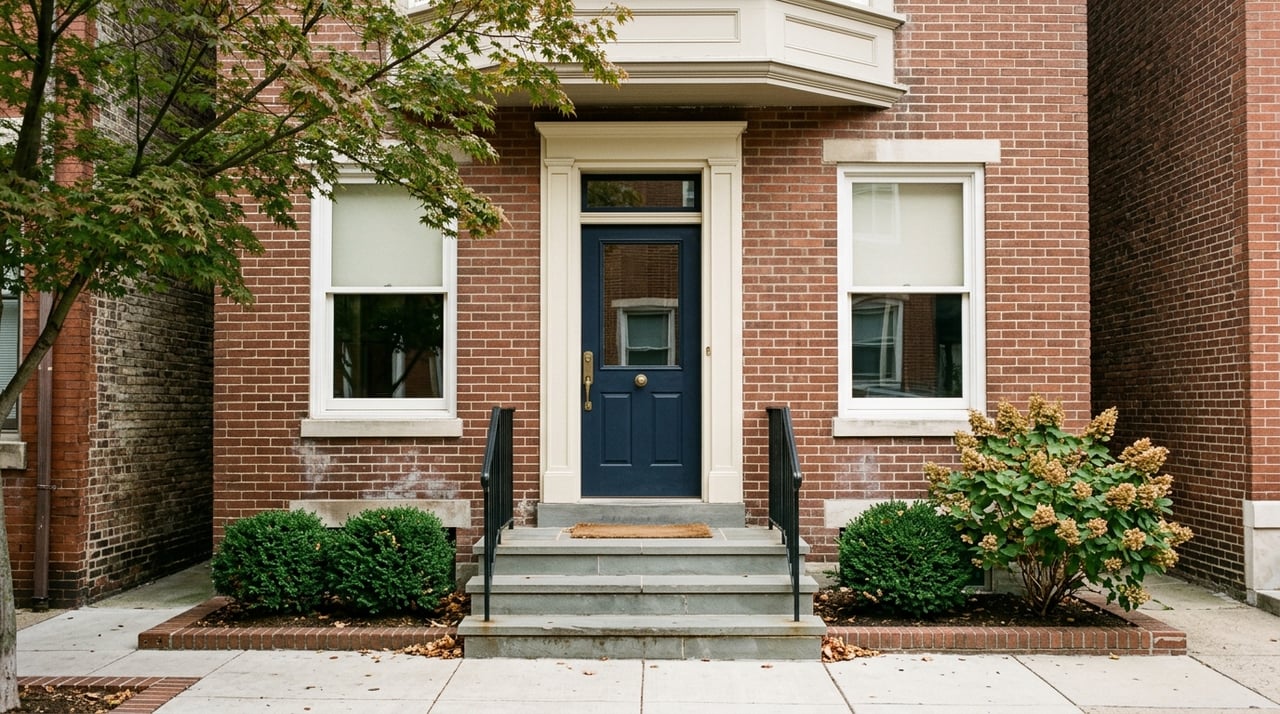
If you want a DC neighborhood that feels connected, walkable, and full of character, Dupont Circle is often near the top of the list. You may be looking for a home close to transit, restaurants, and culture, or simply trying to picture what daily life would actually feel like here. This guide will help you understand the neighborhood’s atmosphere, housing, and lifestyle so you can decide whether Dupont Circle fits the way you want to live. Let’s dive in.
Dupont Circle at a Glance
Dupont Circle sits in Ward 2, one of DC’s central economic and cultural hubs. It is part of a close-in area that includes downtown, Georgetown, Foggy Bottom, and Logan Circle, which helps explain why the neighborhood feels so connected to the rest of the city.
The area has both local identity and citywide importance. According to the Dupont Circle BID, more than 25,000 people live in and around the neighborhood, and the district includes more than 110 restaurants, 130 services, 40 shops, and 70 embassies. In practical terms, that creates a neighborhood that feels active throughout the day and into the evening.
At the center is the circle itself, a National Park Service-managed memorial fountain and public gathering place named for Rear Admiral Samuel F. Dupont. It serves as a visible neighborhood landmark and an everyday meeting point for residents and visitors alike.
The Overall Feel of Dupont Circle
Dupont Circle tends to feel urban, historic, and social all at once. Tree-lined streets, outdoor dining, independent businesses, and a strong international presence all shape the day-to-day atmosphere.
This is not a quiet, car-dependent setting built around large lots and detached homes. It is a dense, transit-oriented neighborhood where daily errands, coffee runs, dinners out, and cultural stops can often happen within a short walk.
That energy is a big part of the appeal. If you enjoy being in the middle of things, with visible street life and access to public spaces, Dupont Circle offers a version of DC living that feels both established and lively.
Historic Character and Architecture
One of Dupont Circle’s biggest draws is its architecture. The Dupont Circle Historic District was established in 1976 and includes a period of significance from 1875 to 1931, which gives the neighborhood a strong visual identity rooted in late 19th- and early 20th-century design.
Historically, the neighborhood developed with mansions along the diagonal avenues and rowhouses on the grid streets. Today, that pattern still influences how the area looks and feels, even as many properties have evolved to meet modern residential and commercial uses.
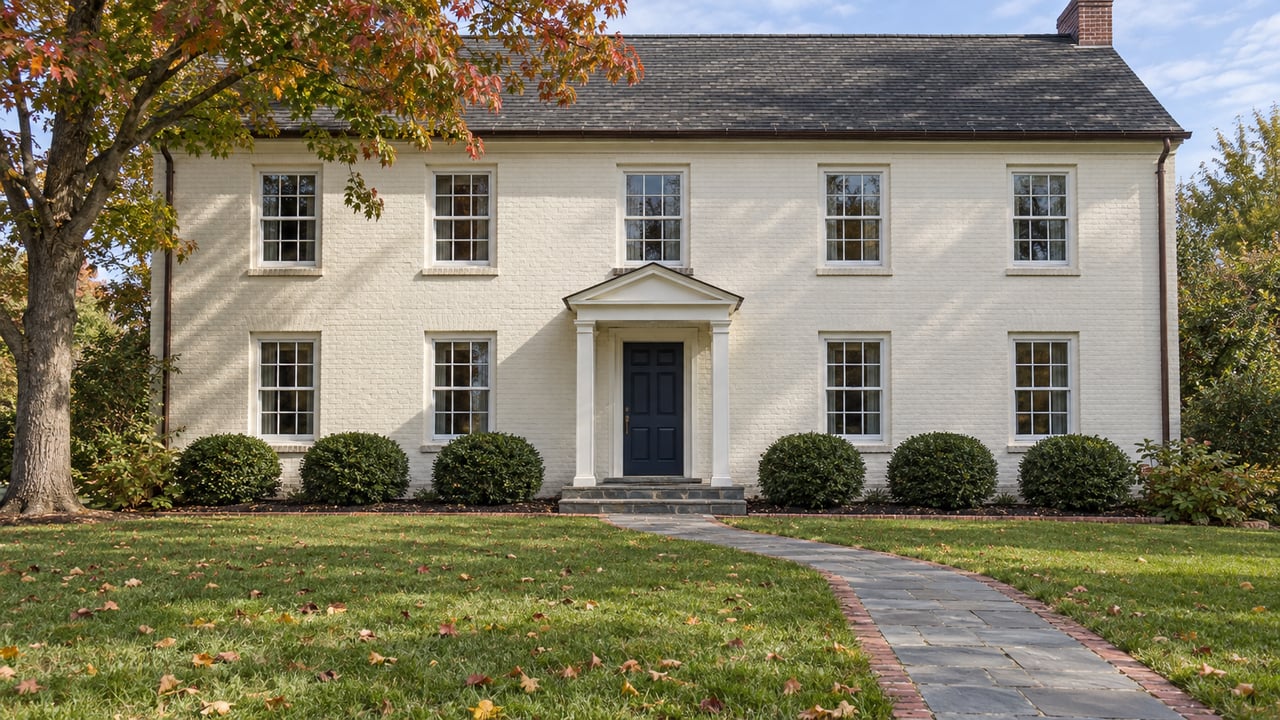
You will see a mix of late Victorian rowhouses, mansion-scale homes, apartment buildings, and low-scale commercial corridors. Architectural styles in the district include Queen Anne, Richardsonian Romanesque, Beaux-Arts, and Georgian Revival, giving many blocks a layered, distinctive streetscape.
Many of the grander homes now serve adaptive uses such as embassies, chanceries, and private clubs. That means Dupont Circle often feels architecturally rich and visually polished, but not suburban in the traditional sense.
What Housing Looks Like in Dupont Circle
If you are considering a move here, it helps to know that Dupont Circle offers a housing mix rather than one dominant home type. You are more likely to find historic rowhouses, converted residences, condos, co-ops, and multifamily buildings than detached single-family homes.
That variety can appeal to different buyers. Some are drawn to classic architecture and original details, while others want the convenience of a condo in a walkable central location.
Because so much of the neighborhood is shaped by historic buildings and adaptive reuse, housing here often comes with tradeoffs and charm at the same time. You may gain location, architecture, and access to city life, while giving up things like expansive private outdoor space or easy car storage.
Dining and Everyday Convenience
Dupont Circle has one of the more established dining scenes in central DC. Local and visitor guides describe a restaurant mix shaped by the neighborhood’s international character, with options that range from casual cafes to fine dining and late-night spots.
Examples frequently associated with the area include Sushi Taro, The Pembroke, All Day by Kramers, Pizzeria Paradiso, Bistrot du Coin, Taïm, and Zorba’s Café. Even if you have your own favorites, the broader takeaway is clear: you are not moving here for one or two destination restaurants. You are moving into a neighborhood where dining out can become part of your regular routine.
Daily convenience also goes beyond restaurants. With more than 130 services and 40 shops reported by the BID, the neighborhood supports a lifestyle where errands and small indulgences often fit naturally into a walk around the block.
Bookstores, Art, and Local Culture
Dupont Circle has a cultural identity that feels especially visible in everyday life. Bookstore-cafe culture remains part of the neighborhood’s personality, with Kramers, which opened in 1976 as DC’s first bookstore-cafe, and Second Story Books on P Street adding to that long-standing feel.
The arts are also woven into the neighborhood rather than separated from it. The Phillips Collection, housed in Duncan Phillips’s former home and later additions, holds nearly 6,000 works and gives residents a significant cultural institution right in the neighborhood.
Recurring programming helps keep that energy active. The BID’s art walk brings together galleries, embassies, and cultural centers, while neighborhood groups like the Dupont Circle Citizens Association, ANC2B, Dupont Circle Village, Dupont Festival, Dupont Underground, and the Dupont Circle Conservancy add to the civic and cultural fabric.
The Sunday Market Tradition
For many residents, the FRESHFARM Dupont Circle Market is part of the weekly rhythm of the neighborhood. The market runs year-round on Sundays from 8:30 a.m. to 1:30 p.m. on 20th Street NW between Massachusetts and Connecticut Avenues.
It is widely recognized as one of the city’s best-known markets, and it adds a strong sense of routine and community to the area. If you like neighborhoods where weekends have a built-in gathering point, this is one of Dupont Circle’s defining lifestyle features.
Getting Around From Dupont Circle
Transportation is one of Dupont Circle’s strongest practical advantages. The Dupont Circle Metro station sits on the Red Line, with entrances at Connecticut Avenue and 19th Street NW and at Connecticut Avenue and Q Street NW.
WMATA lists no parking at the station, along with 26 bike racks, bikesharing, and station Wi-Fi. That setup reflects the neighborhood’s broader pattern: this is a place designed more for transit, biking, and walking than for car-first living.
Train service starts as early as 5:29 a.m. on weekdays and 6:29 a.m. on weekends, with last trains running around midnight to 2:10 a.m. depending on the day. The neighborhood is also served by multiple WMATA bus lines and five Capital Bikeshare stations, which gives you several options for daily commuting and short cross-city trips.
Major corridors connect relatively quickly to Georgetown, Logan Circle, the White House, Woodley Park, U Street, and the Lincoln Memorial. For many residents, that centrality is one of the biggest reasons to choose Dupont Circle in the first place.
Who Dupont Circle May Suit Best
Dupont Circle often appeals to buyers and renters who want a lively urban setting with strong transit access and a genuine sense of place. If your ideal routine includes walking to coffee, dinner, the Metro, a market, or a museum, the neighborhood checks many of those boxes.
It may also appeal to people relocating to DC who want to feel connected right away. The neighborhood’s central location, visible activity, and mix of services can make it easier to settle into city life quickly.
On the other hand, if you want a quieter environment centered on large homes, private parking, and car-based convenience, Dupont Circle may feel too dense. The neighborhood tends to reward people who value walkability, architecture, and access over extra space and separation.
What to Keep in Mind as a Buyer
If you are considering buying in Dupont Circle, it helps to evaluate the neighborhood through a lifestyle lens as much as a floor plan lens. A beautiful home matters, but in a place like this, the surrounding blocks, transit access, and building type can shape your experience just as much.
A few smart questions to ask include:
- How important is Metro access to your routine?
- Do you prefer a historic rowhouse feel or a multifamily building lifestyle?
- How often do you expect to walk to dining, shopping, or cultural destinations?
- Are you comfortable with a denser setting and limited car-focused convenience?
- Do you want a home base that feels deeply connected to central DC?
Those answers can help clarify whether Dupont Circle is simply attractive on paper or truly aligned with how you want to live.
Why Dupont Circle Stands Out
Many DC neighborhoods offer pieces of what Dupont Circle has, but few combine them in quite the same way. Historic architecture, a central location, a visible cultural scene, international character, and strong transit access all come together here.
That combination gives the neighborhood staying power. Dupont Circle is not just a place people pass through on the way to somewhere else. For many residents, it becomes part of their daily identity and routine.
If you are weighing a move to this part of Washington, a neighborhood tour can reveal details that online listings cannot. The right block, building, and lifestyle fit matter, especially in a neighborhood with this much texture and variety. If you are considering a move to Dupont Circle or another close-in DC neighborhood, The Alliance Group can help you evaluate your options with local insight and personalized guidance.
FAQs
What is daily life like in Dupont Circle, DC?
- Daily life in Dupont Circle is typically walkable, active, and urban, with easy access to restaurants, shops, public spaces, cultural institutions, and the Red Line Metro.
What types of homes are common in Dupont Circle?
- Dupont Circle is known for historic rowhouses, mansion conversions, apartment buildings, condos, co-ops, and other multifamily housing rather than detached suburban-style homes.
How do you get around from Dupont Circle?
- You can get around Dupont Circle by Metro, bus, bike, bikeshare, and on foot, with the neighborhood centered around the Red Line station and multiple major DC connections.
What makes Dupont Circle feel different from other DC neighborhoods?
- Dupont Circle stands out for its historic architecture, international presence, bookstore and cafe culture, visible arts scene, and strong mix of transit access and everyday convenience.
Is Dupont Circle a good fit if you want a walkable DC lifestyle?
- Dupont Circle can be a strong fit if you want a central, transit-oriented neighborhood where dining, shopping, culture, and errands are often within walking distance.